Foundation Repair
Helical Tieback Anchors in Birmingham, AL
Settling foundations, bowing basement walls, and sagging floors are all signs of a compromised foundation. Fortunately, helical tieback anchors offer a versatile and reliable solution for various foundation issues, supporting your structure to protect your investment and peace of mind. Let's explore how these anchors work and why they're a popular choice to stabilize permanent and temporary structures.
What Are Helical Tieback Anchors?
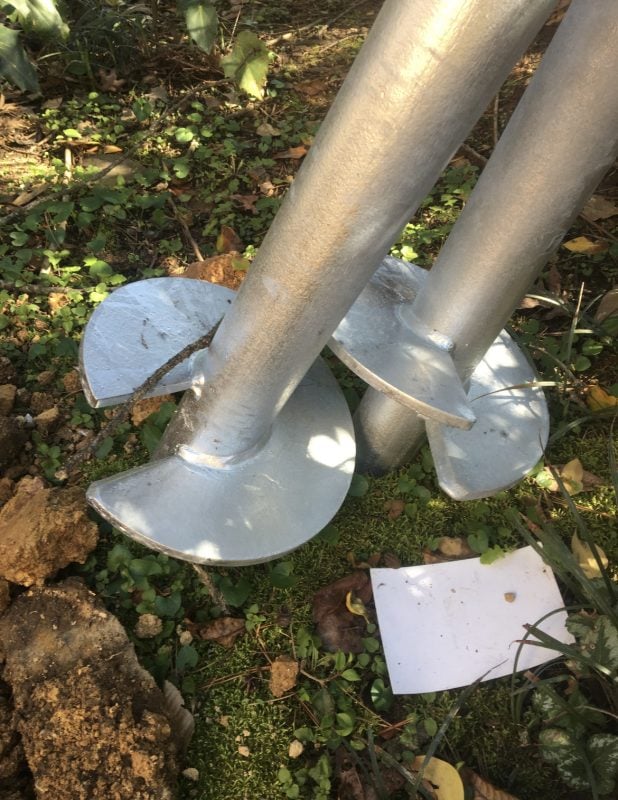
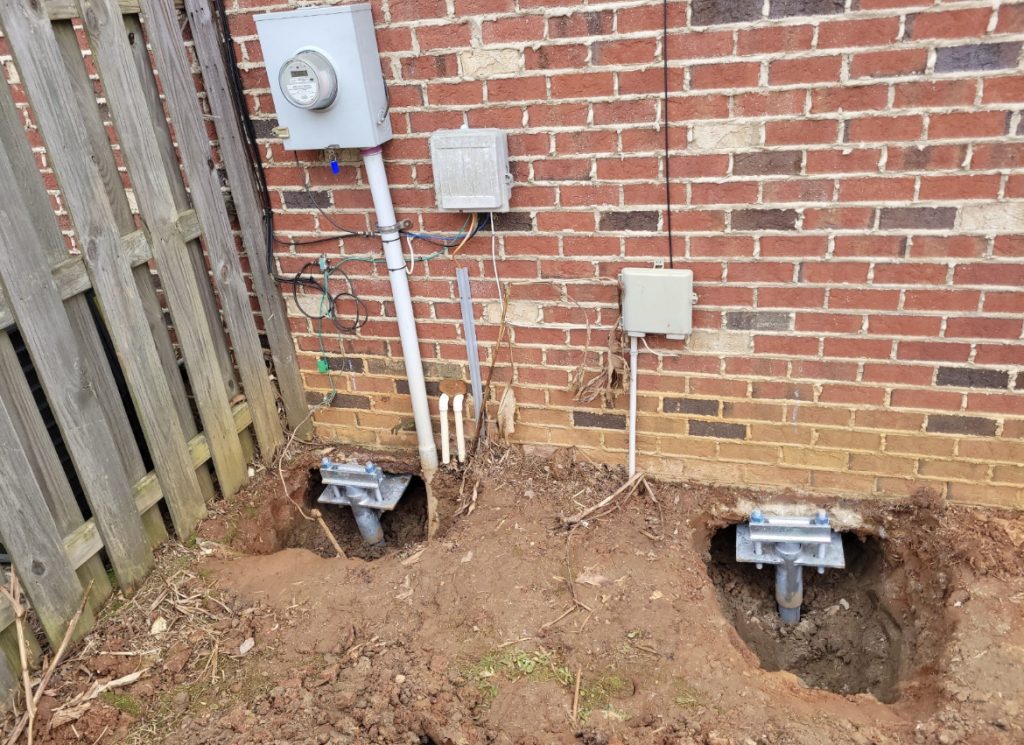
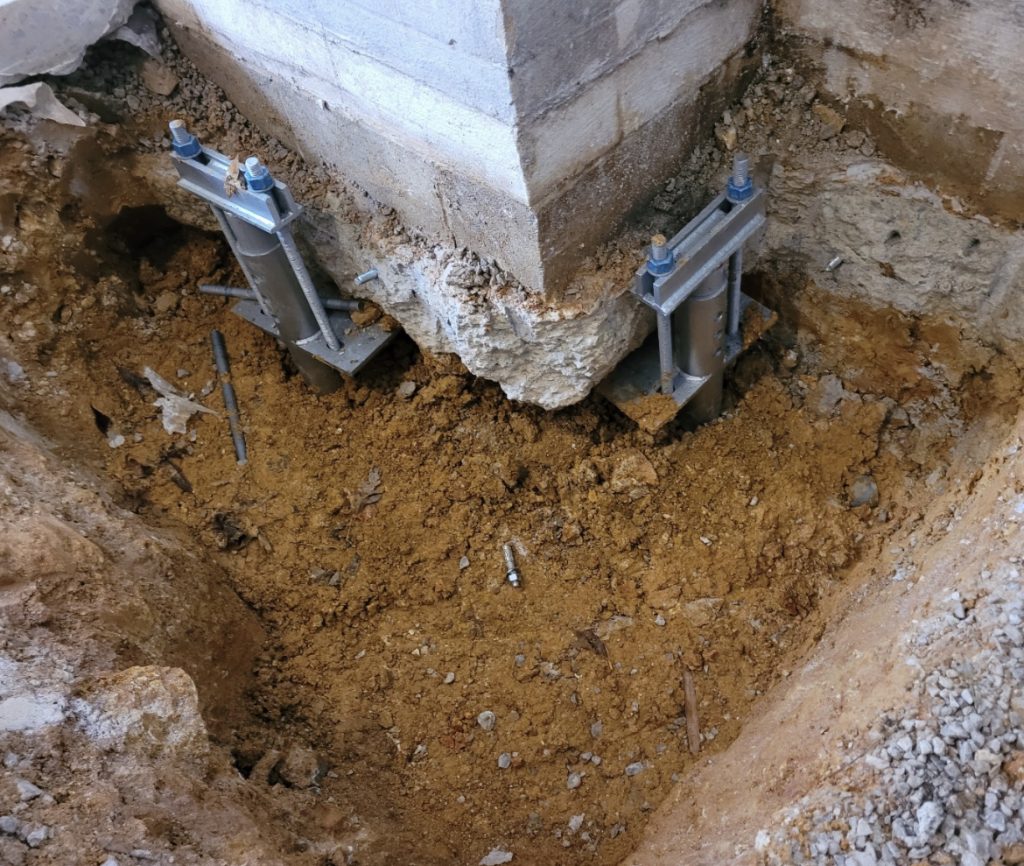
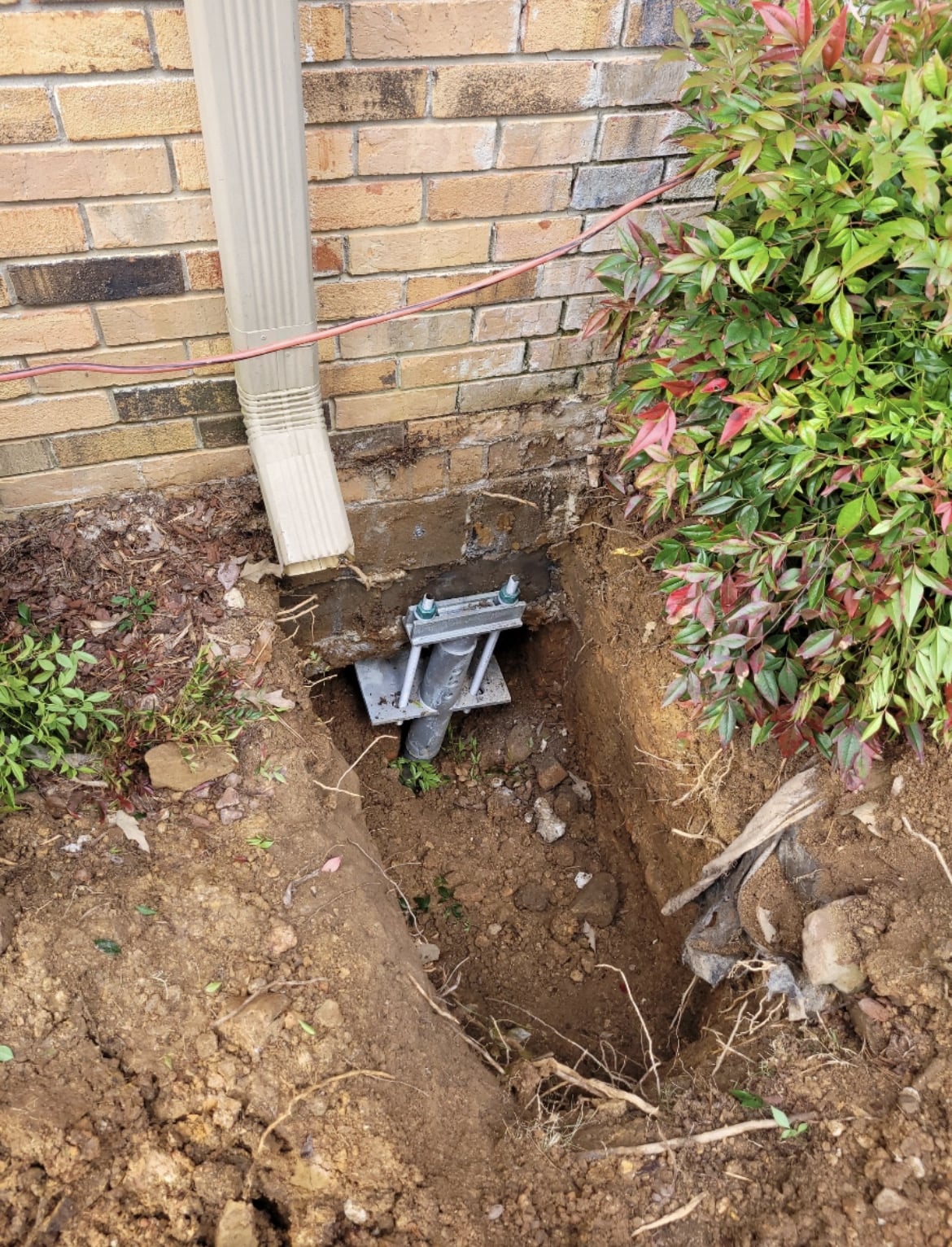
Helical tieback anchors are screw-shaped piles made of high-strength steel. They consist of a helical-shaped shaft attached to one or more helix plates that create a secure anchor point in the soil. In simpler terms, think of them as giant screws drilled into the ground to provide strong support for structures.
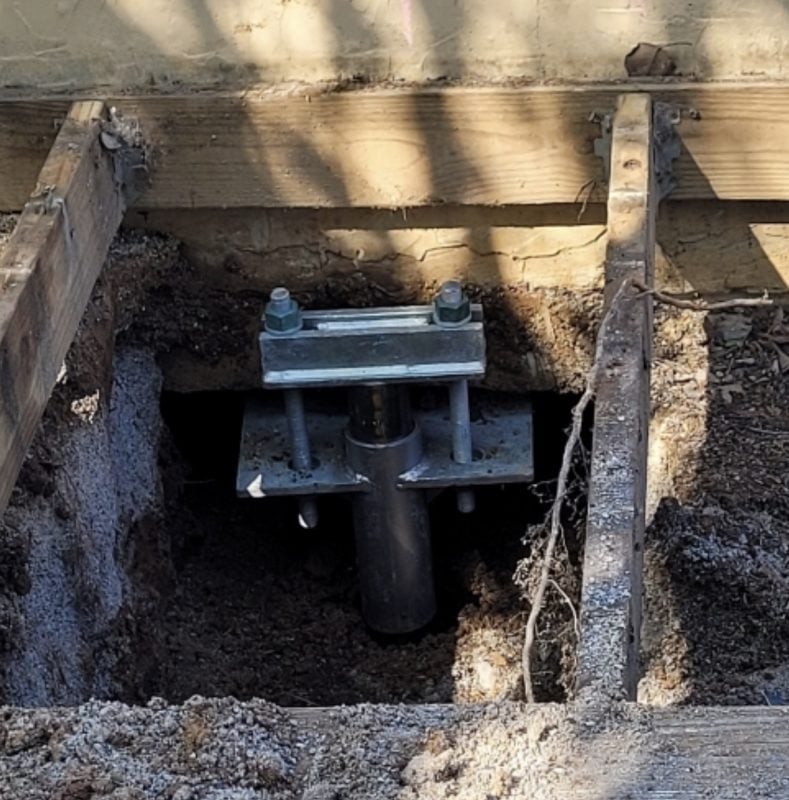
Once fully installed, helical tiebacks provide additional lateral resistance, transferring the structure’s weight to stable soil to prevent further movement.
The Importance of Foundation Stability
When it comes to the structural health of your house, few things could compete with your foundation in terms of importance. The foundation acts as the unseen anchor of your home, silently ensuring the entire structure remains stable and secure.
The Critical Role of Foundations:
- Structural Integrity: The foundation distributes the weight of the entire house onto the underlying soil to prevent uneven settling, which can cause cracks in walls, floors, and ceilings.
- Safety: Uneven settling can damage load-bearing walls, potentially leading to door and window misalignment and even collapse.
- Waterproofing: A stable foundation forms a watertight barrier between the house and the surrounding soil. Cracks in the foundation can allow moisture to seep in, leading to water damage, mold growth, and potential wood rot.
Risks Associated with Foundation Problems:
- Costly Repairs: The longer you ignore a foundation problem, the costlier it is to repair. This is especially true if the issue causes partial or complete collapse of the building.
- Decreased Property Value: A house with known foundation issues will be less attractive to potential buyers because of costly repairs and potential future problems. Moreover, most lenders won’t finance such a house, further limiting the pool of interested buyers.
- Health Concerns: Water damage from foundation leaks can lead to mold growth, inviting respiratory issues. Additionally, uneven floors increase the risk of trips and falls, especially for young children and older adults.
Solutions Offered by Helical Tieback Anchors
A tieback anchor can help with the following foundation problems.
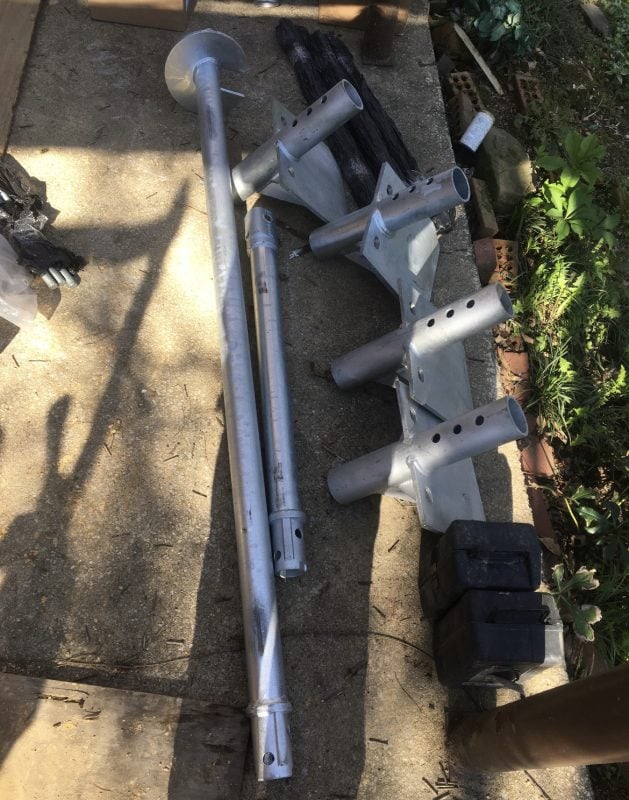
- Settling Foundations: Helical anchors lift settling foundations by transferring the load of the structure to deeper, more stable soil or bedrock.
- Bowing or Leaning Basement Wall Anchors: Helical tieback anchors are installed horizontally through the wall and into the soil outside, providing lateral support to prevent further movement.
- Sagging Floor Framing: Uneven floors are often a consequence of foundation settlement. By distributing the load to deeper ground, helical piers foundation settlement anchors can stabilize the foundation and level out the sagging floors.
Why Choose Helical Tieback Anchors?
Here’s why helical anchors are the best solution for your foundation problem.
Minimal Excavation
Unlike traditional foundation repair methods that require extensive digging around the foundation, helical tiebacks can be installed from inside the basement, minimizing disruption to your landscaping.
Quick Installation
Helical tiebacks are essentially screwed into the soil using specialized machinery. This allows for a faster installation process compared to traditional methods that involve pouring concrete or waiting for materials to cure.
Long-Term Durability
Helical tiebacks are constructed from high-grade steel that is treated for strength and resistance to corrosion. This provides long-lasting support for your foundation despite weather conditions.
Cost-Effective
While the upfront cost of helical tieback anchors may be higher than some other repair methods, their durability and minimal maintenance requirements make them a cost-effective solution in the long run.
Versatility
Helical tieback anchors are versatile and can be used in a variety of soil conditions. They can also be installed at an angle, allowing them to address foundation problems in tight or difficult-to-access spaces.
Our Process: Installing Helical Tieback Anchors
Our team at Southern Home Structural Specialists follows a detailed and efficient process when installing helical tieback anchors. It involves:
-
Pre-Installation Assessment
We visit your site to assess the condition of your foundation and surrounding soil. This is in addition to creating a plan to ensure a smooth and efficient project.
-
Workspace Preparation
We'll designate a work area inside your basement to minimize mess and potential damage.
-
Helical Tieback Installation
Our crew utilizes state-of-the-art hydraulic equipment to install the helical anchors directly from within the basement or designated access point.
-
Load Testing and Verification
Once installed, each helical tieback undergoes rigorous load testing to verify it meets pre-determined engineering requirements.
-
Restoration
Once everything is in place, we restore any disrupted areas to ensure a seamless and tidy finish.
Helical Tieback Anchors vs. Other Foundation Repair Methods
Helical tieback anchor foundation repair is often preferred over other methods for its effectiveness, versatility, and ease of installation. Here’s how helical tieback anchors compare to common foundation repair methods:
Push Piers
Push piers are driven deep into the ground to support a settling foundation. However, installation can be disruptive, requiring excavation and potentially damaging landscaping. Helical tieback anchors offer a minimally invasive solution, installed from inside the basement without disturbing the yard.
Wall Anchors
Similar to tieback anchors, wall anchors use steel rods to stabilize bowing walls. However, they typically rely on deadman anchors buried in the soil, which can be problematic if underground utilities or limited space are concerns. Helical tieback anchors eliminate the need for excavation, making them a more versatile option.
Carbon Fiber Straps
Carbon fiber straps are a good option for minor wall movement. However, they may not be strong enough for severe bowing or for lifting settled foundations. Helical tieback anchors offer superior strength and can address a wider range of foundation issues.
Case Studies: Helical Tieback Anchors in Action
FAQs About Bowing Basement Walls and Foundation Health
How long do helical tieback anchors last?
Helical tieback anchors are designed to provide a long-lasting solution to foundation issues. With proper installation and maintenance, they can support your home’s foundation for decades.
How disruptive is the installation process?
The installation of helical tieback anchors is relatively quick and requires minimal excavation, making it a less disruptive option.
How do helical tieback anchors compare to other foundation repair solutions?
Helical tieback anchors offer several advantages over traditional foundation repair methods, including faster installation, reduced excavation, and long-term stability. They’re also a preferred choice for a wide range of foundation problems.
Request a Free Foundation Assessment
If something doesn’t feel right in your home or on your property, don’t hesitate to call us. We would be happy to complete a free, no-obligation, transparent foundation assessment and give our honest feedback on what’s the next best step for your home.