Foundation Repair
Basement Walls Bowing Inward
Bowing basement walls are more than just a cosmetic issue; they can signal serious problems with your home's foundation, and need to be addressed promptly to prevent further damage and costly repairs. Understanding the causes, signs, and solutions for bowing walls is crucial for maintaining your home's structural integrity. This article provides a comprehensive guide to bowing basement walls, offering insights into their causes, implications, and repair options.
What Are Bowing Basement Walls?
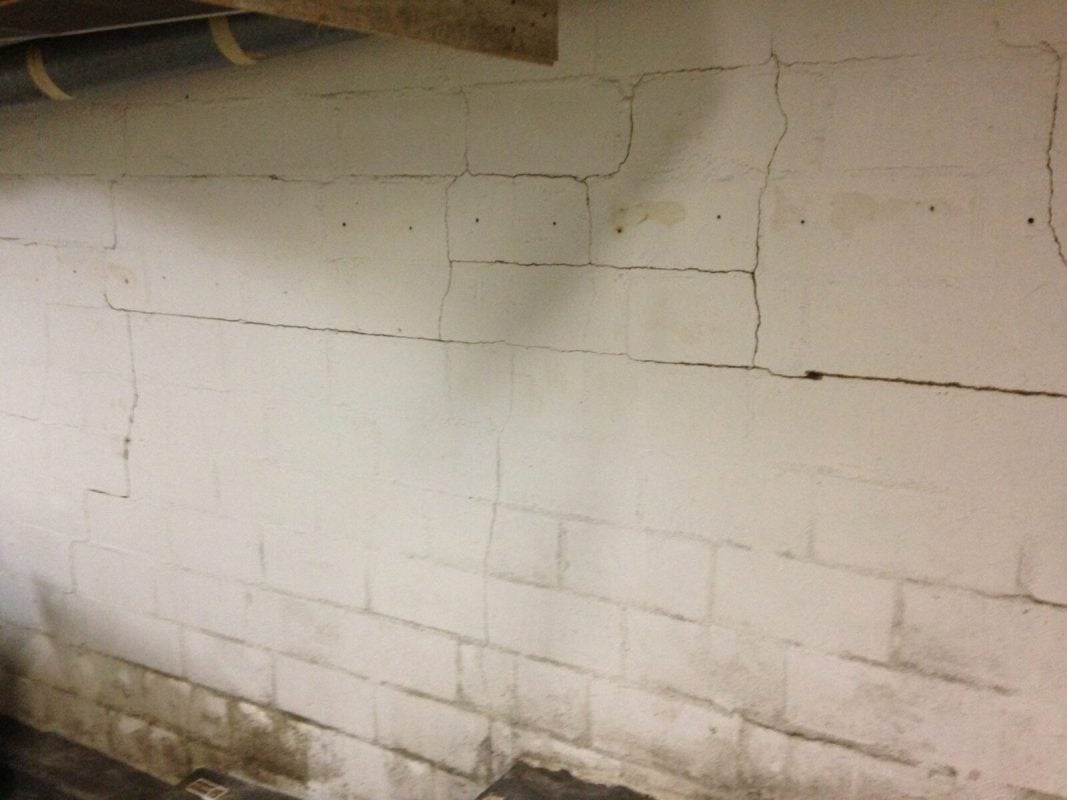
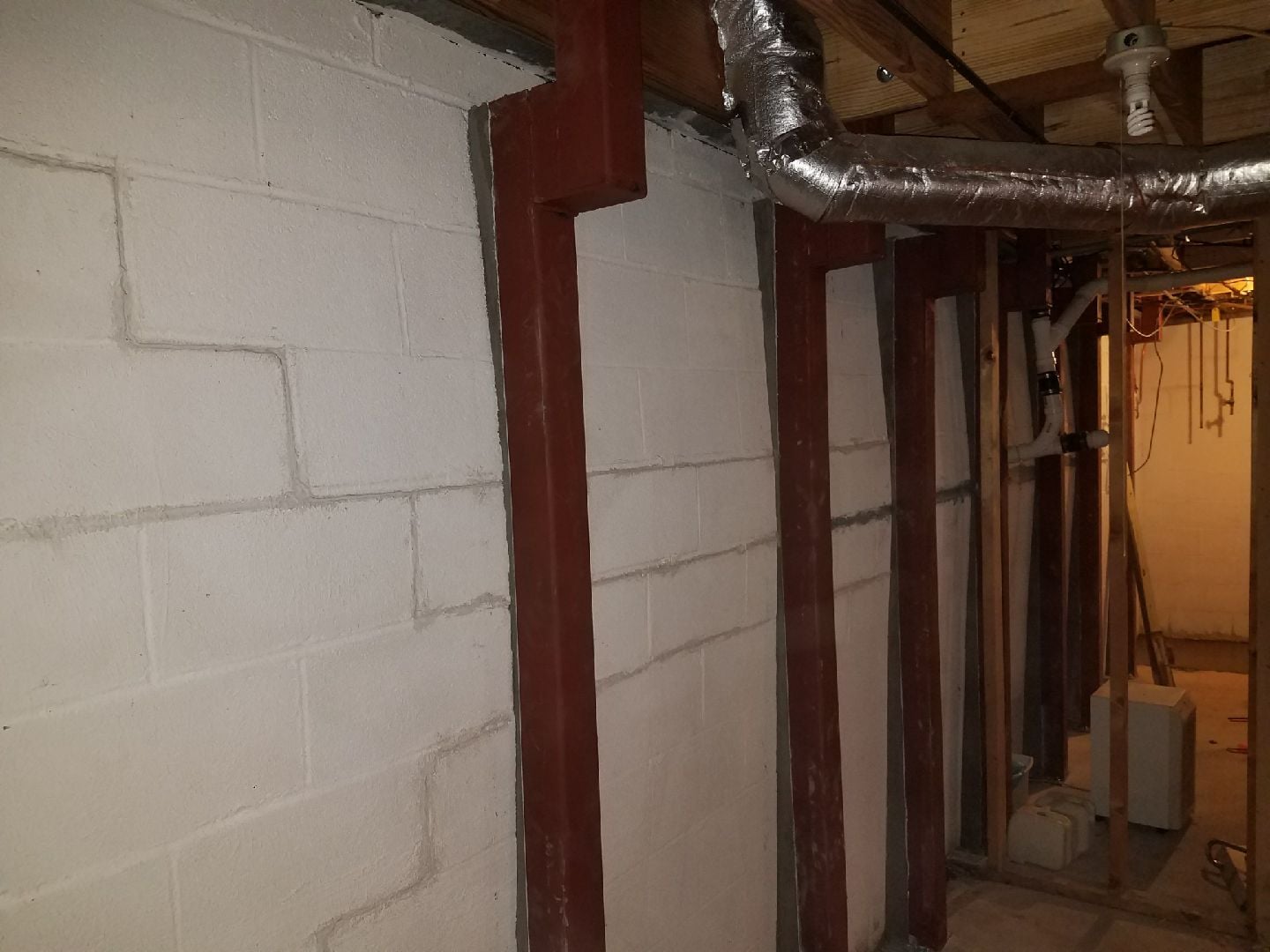
This issue occurs when the foundation walls begin to curve inward. It usually happens when the pressure from the outside is greater than the wall can handle. Left unaddressed, bowing walls can cause further damage, such as cracks in the walls or even structural failure, posing a risk to the overall stability of the building.
Why Basement Walls Bow: Uncovering the Causes
Several factors can contribute to bowing basement walls:
Hydrostatic Pressure:
This is when water pressure from saturated soil pushes against the foundation walls, causing them to bow inward. This is particularly common during heavy rains or if you have high water tables. Water table is the underground level where the soil or rock becomes saturated with water. When the water table is high, the soil near the surface remains wet, increasing the likelihood of water pressure against foundation walls.
Soil Conditions:
The type of soil around your Alabama foundation can also contribute to the bowing wall. For example, clay-rich soil expands when wet, exerting lateral pressure on basement walls. Conversely, dry soil shrinks and pulls away from the foundation, weakening its support.
Water Damage:
Leaky gutters, poor drainage, or improper grading around your home directs water to the foundation wall. This saturation weakens the soil and increases hydrostatic pressure.
Recognizing the Signs of Bowing Basement Walls
Early detection is key to preventing costly wall repair. Here are subtle signs of foundation damage to watch out for:
Request a Property Assessment-
Visible Cracks:
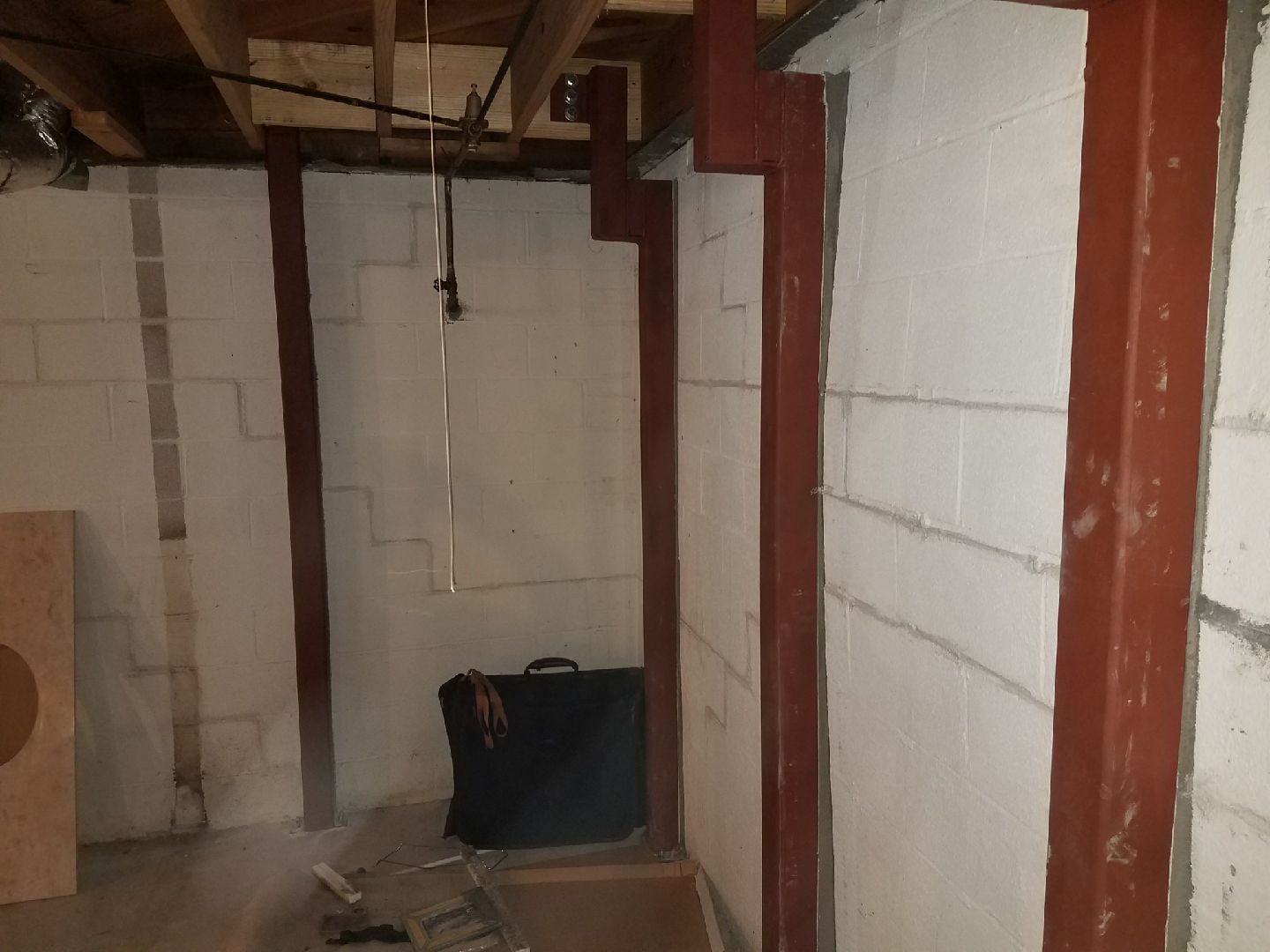
Horizontal cracks in the concrete walls, particularly near the floor or ceiling, often indicate bowing.
-
Gaps Around Doors and Windows:
Doors and windows that stick or become difficult to open or close can indicate foundation movement.
-
Uneven Floors:
Bowing walls can slant the basement floor or make it uneven.
-
Water Intrusion:
Bowing walls can create gaps that allow water to seep into your basement.
The Implications of Ignoring Bowing Basement Walls
Without quick detection and repair, bowing basement walls can lead to consequences like:
Structural Damage:
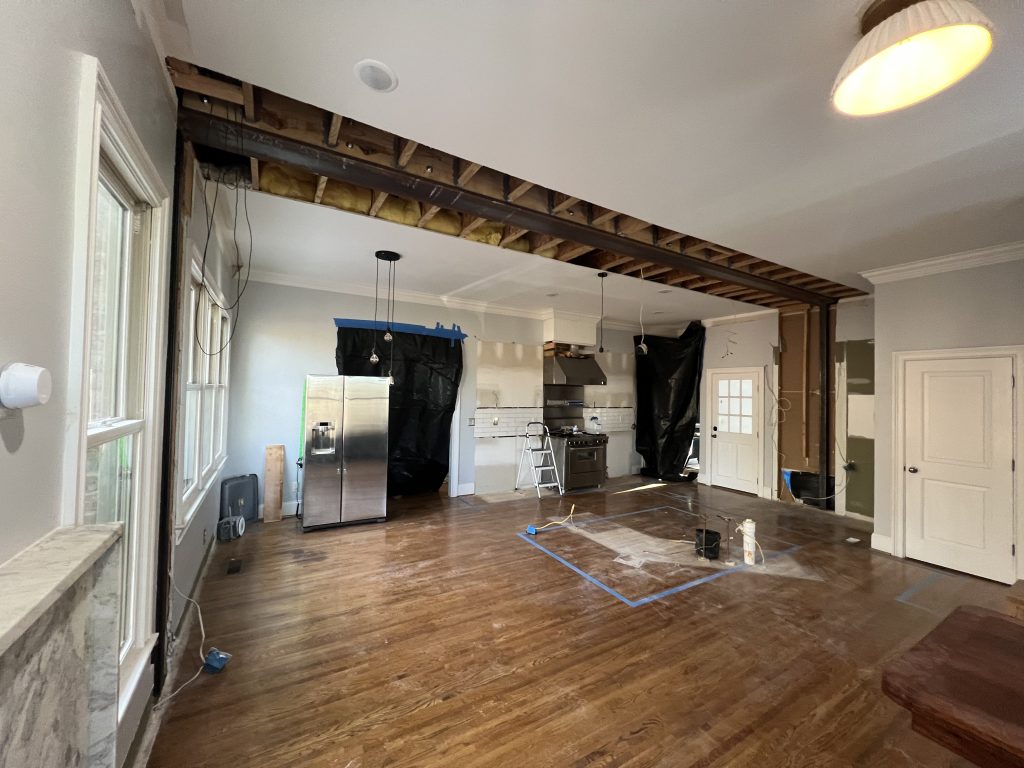
Bowing walls put stress on the entire house, potentially leading to cracks in upper floors, uneven walls, and even door and window misalignment.
Decreased Property Value:
Bowing walls are a clear sign of structural weakness, and buyers will likely factor in the cost of repairs when considering an offer.
Safety Hazards:
Cracked basement walls allow water to seep into your house, creating a damp environment for mold growth. Mold can trigger respiratory problems and allergies, posing health risks to you and your family. In extreme cases, a bowed wall can collapse and threaten the safety of home occupants. Remember, foundation repair is often not covered by homeowner’s insurance. Taking care of cracked basement walls sooner rather than later can prevent costly repairs.
How Bowing Basement Walls Affect Your Foundation
A compromised basement wall isn't strong enough to support the weight above it. This stress on the bowing walls can spread to other parts of the foundation, resulting in uneven floors, misaligned doors and windows, and even sagging ceilings. Worse still, bowing walls can lead to foundation collapse, causing significant structural damage to the entire house.
Book an Assessment
Diagnosing Bowing Basement Walls: Professional Assessment in Birmingham, AL
Expert evaluation by our dedicated team can uncover underlying causes such as soil pressure or water damage, which may not be immediately visible. Our professionals, who have been in the business for over 30 years, have the knowledge and tools to diagnose the symptoms of foundation issues and recommend the most effective solutions to preserve your home’s structural integrity. As a result, expert foundation repair and assessment saves you time and money in the long run, providing peace of mind and a lasting solution to protect your home.
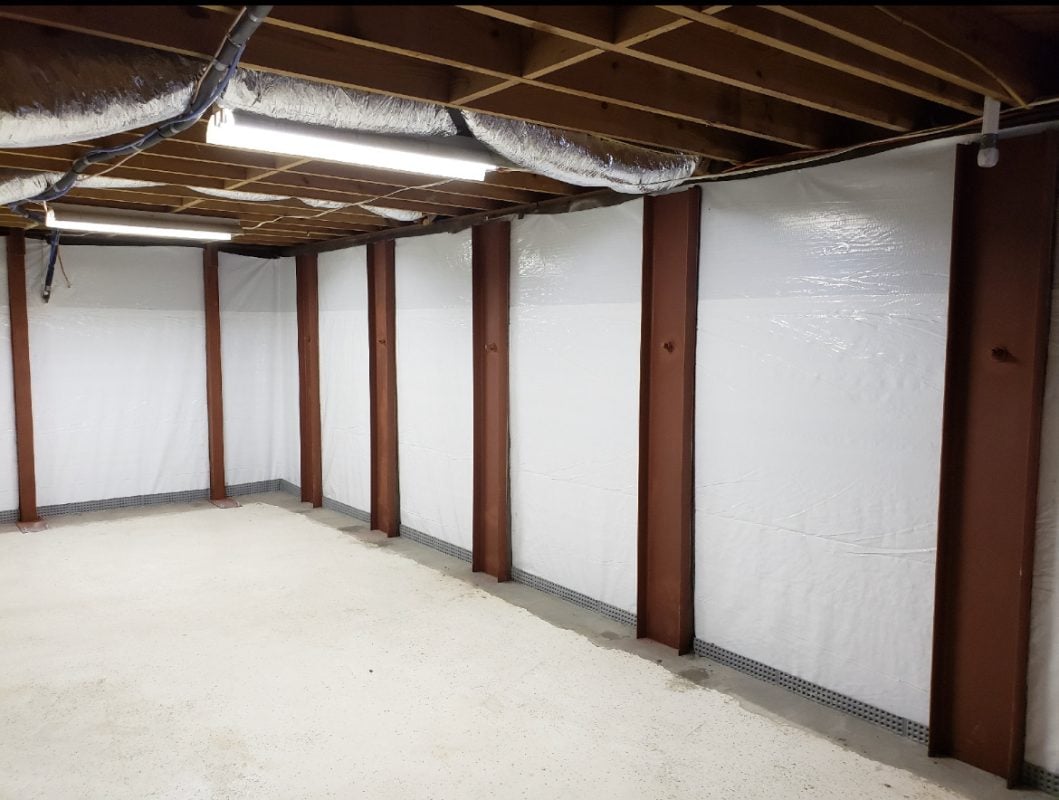
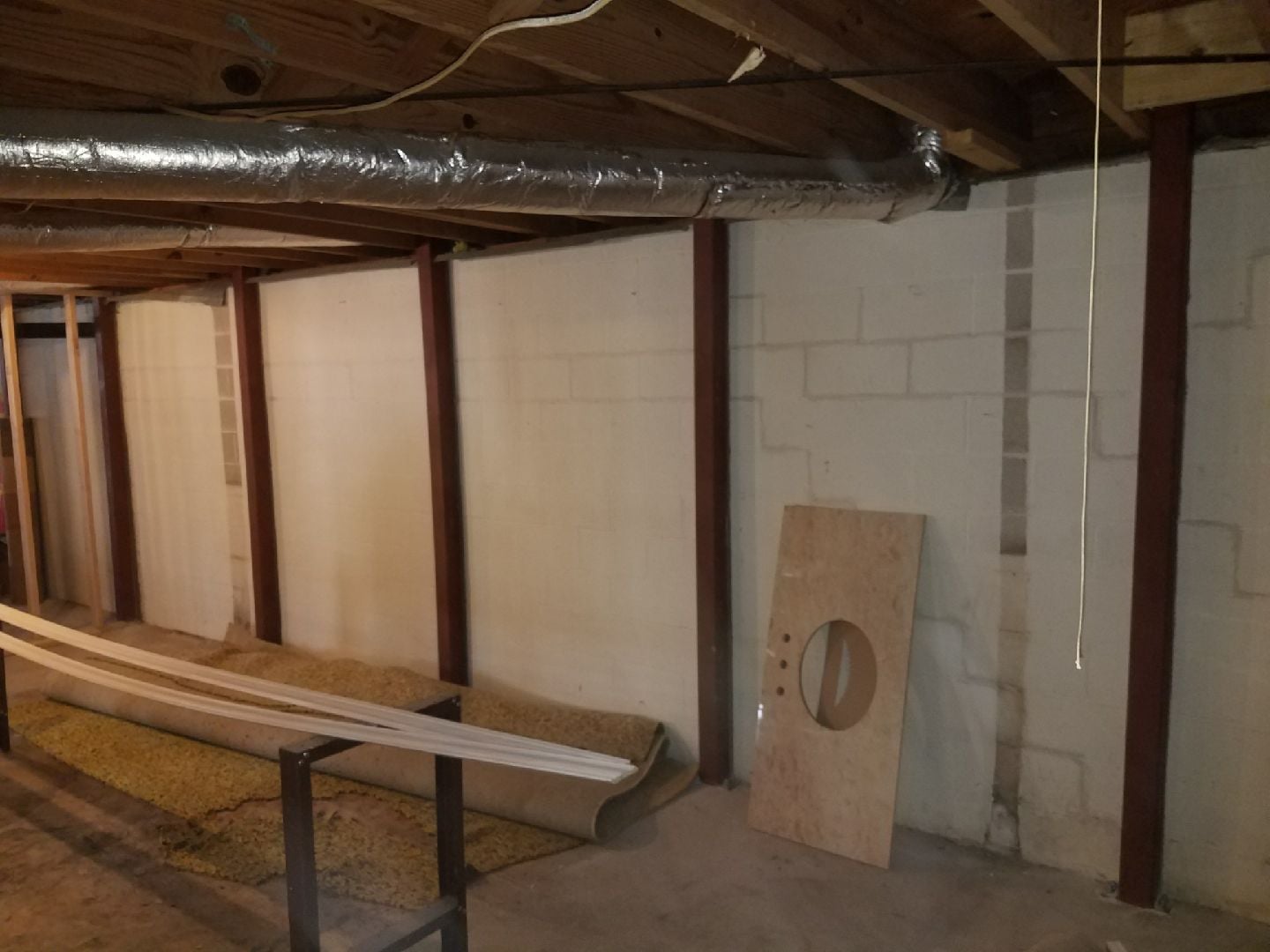
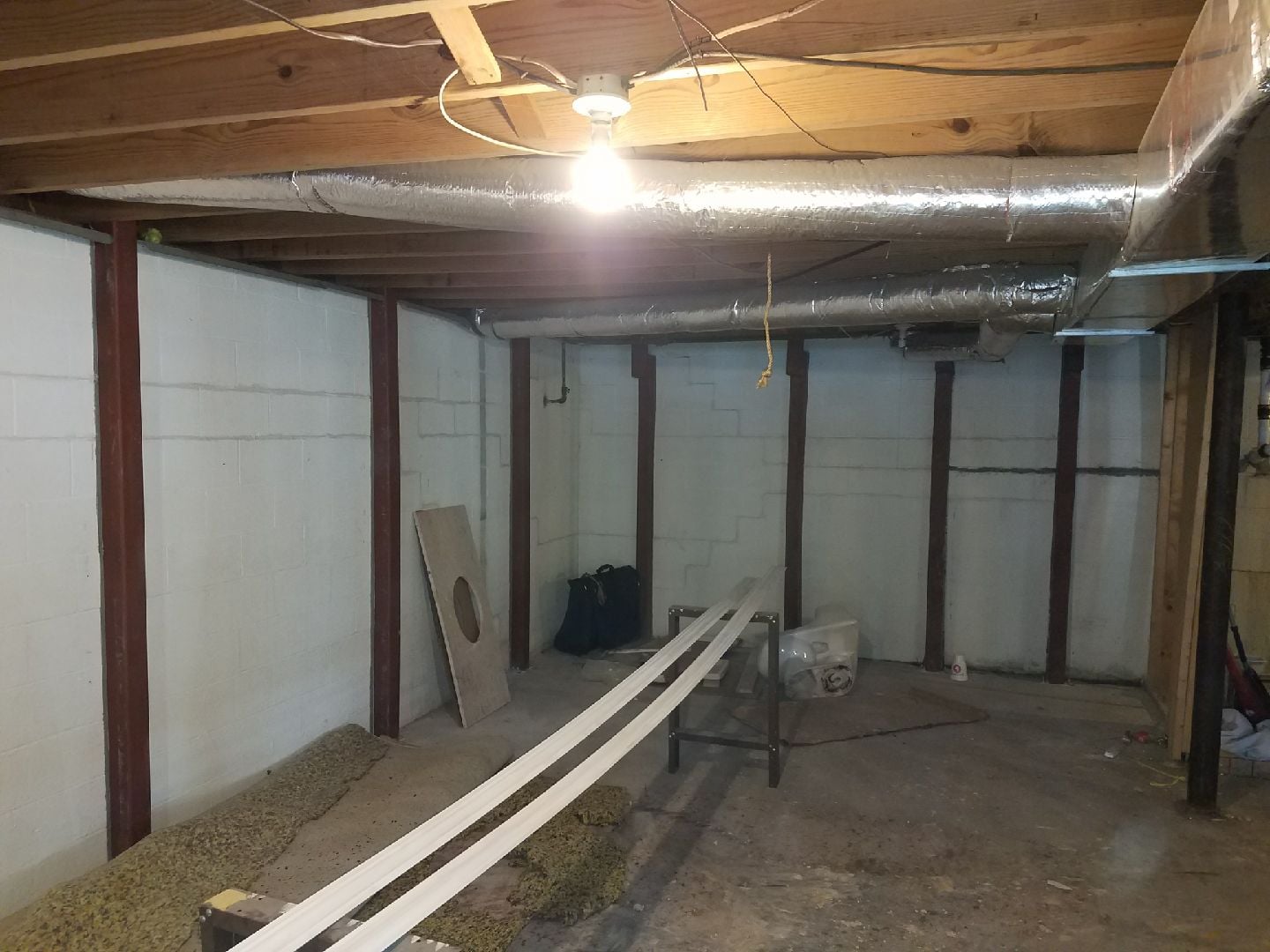
The following solutions address the underlying cause of the bowed basement wall and reinforce the foundation, preventing further movement and potential structural damage.
- Installing Wall Anchors: This approach utilizes basement wall anchors to redirect pressure away from the bowing wall.
- Carbon Fiber Straps: These are ideal for less severe bowing, acting as tight belts to pull the wall back into place.
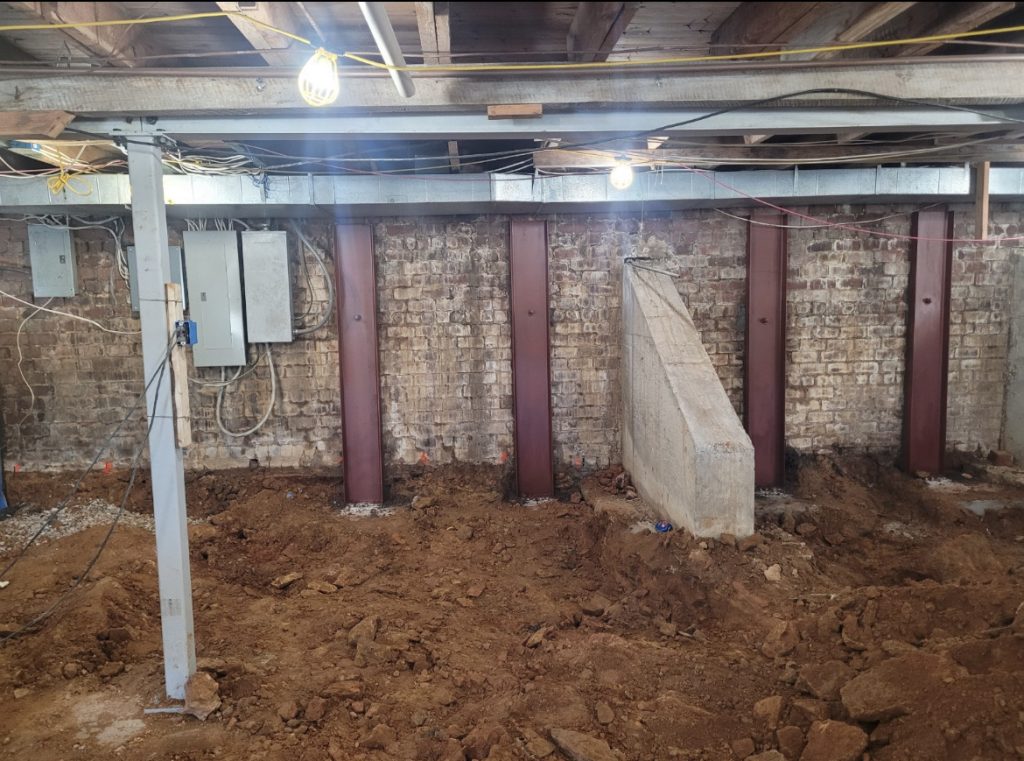
- Underpinning: This involves excavating around the foundation and installing new support piers to lift and stabilize the bowed walls.
FAQs About Bowing Basement Walls and Foundation Health
What are the most common causes of basement walls bowing?
Bowing basement walls are typically caused by hydrostatic pressure from the soil surrounding the foundation. This pressure can be the result of excess water in the soil, poor drainage, or improper grading around the foundation.
What are the risks of not addressing bowing basement walls?
Bowing basement walls can lead to serious structural issues if not addressed promptly. These walls may eventually collapse, compromising the stability of the entire structure. Additionally, bowing walls can allow water to seep into the basement, leading to potential mold growth.
Can bowing basement walls be repaired?
Yes, bowing basement walls can be repaired. Solutions such as wall plate anchors, carbon fiber straps, and helical tiebacks can help stabilize and straighten the walls, restoring the structural integrity of the foundation.
Can I repair bowing basement walls myself?
While DIY foundation repairs exist, professionals have the knowledge and experience to repair the damaged wall safely and effectively. Contact us for reliable and secure repairs.
How can I improve my home’s foundation health?
Maintain proper drainage and grading and perform regular inspections to check for early signs of bowed basement walls.
How can homeowners identify bowing basement walls?
Homeowners can look for several signs of bowing basement walls, including horizontal cracks in the walls, doors and windows that stick or no longer close properly, and gaps between the walls and the ceiling or floor.
Request a Free Foundation Assessment
If something doesn’t feel right in your home or on your property, don’t hesitate to call us. We would be happy to complete a free, no-obligation, transparent foundation assessment and give our honest feedback on what’s the next best step for your home.