Foundation Repair
Crack in Concrete Floor in House: What Cracks Can Mean
Cracks in concrete floors are a common occurrence in many homes. While some cracks are superficial and harmless, others can indicate serious underlying issues with the foundation. Understanding the causes, types, and severity of cracks in concrete is crucial for homeowners to protect their property and ensure its structural integrity.
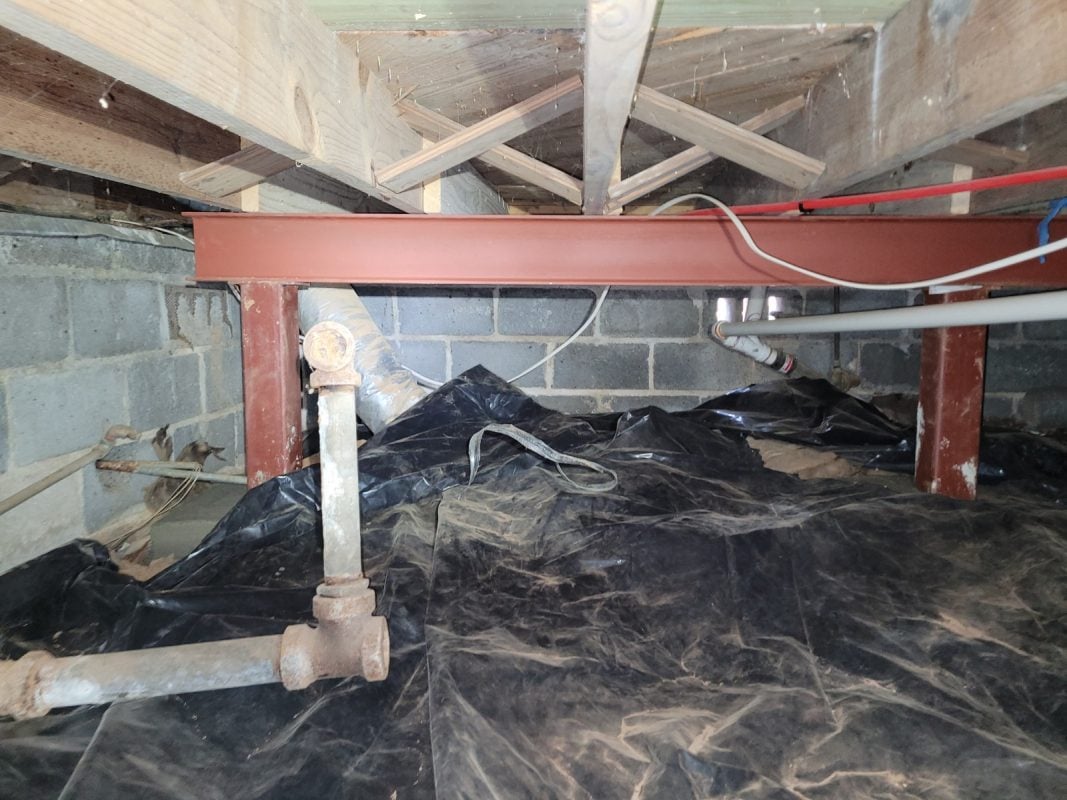
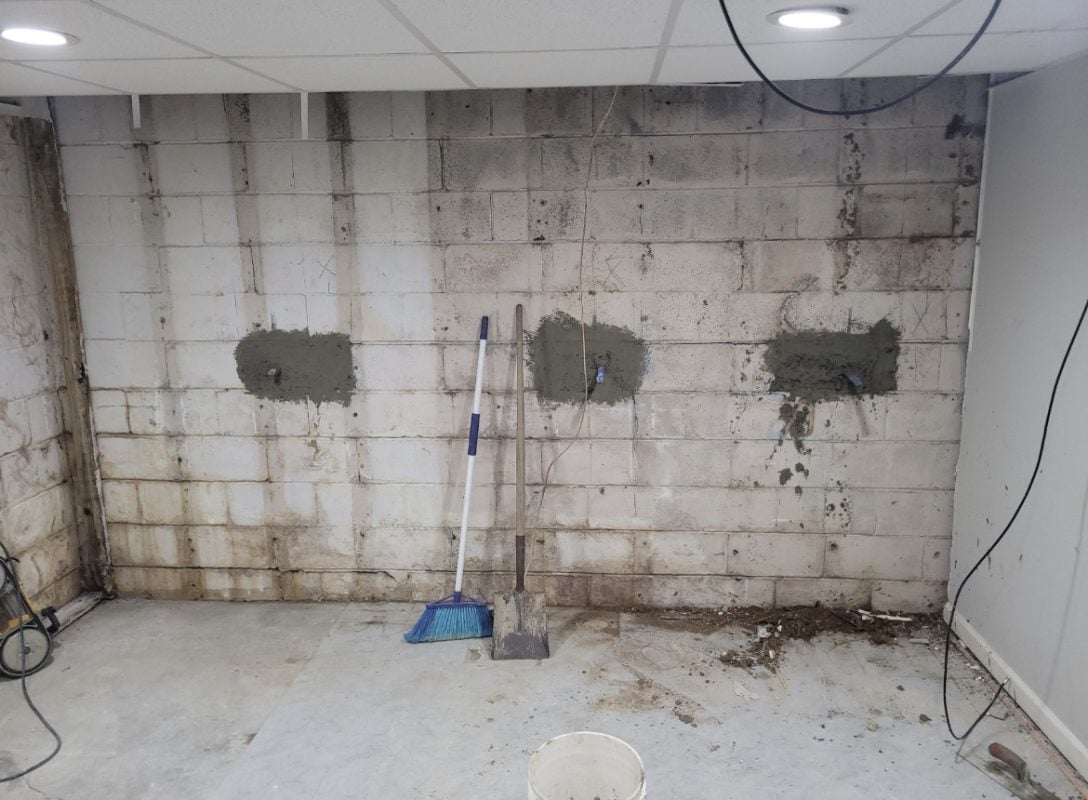
What Causes Cracks in Concrete Floors?
While concrete floors are known for their durability, they can develop cracks for the following reasons:
- Floor Settling: If the soil beneath the concrete slab isn’t properly compacted, it can settle over time, causing the concrete to sink and crack.
- Soil Movement: Soil can shrink during dry periods and expand during wet periods, exerting stress on the concrete surface to cause cracks.
- Improper Concrete Mix: Too much water in the concrete mix weakens it, making it more prone to shrinkage cracks as the excess water evaporates.
- Rapid Drying: Concrete needs a slow and controlled curing process. If the drying process is too fast due to factors like hot weather or wind, you might have to deal with surface cracks.
- Lack of Control Joints: Concrete naturally contracts as it cures. Control joints are deliberate grooves cut into the slab to create designated places for cracks to form, preventing them from appearing randomly and causing more damage.
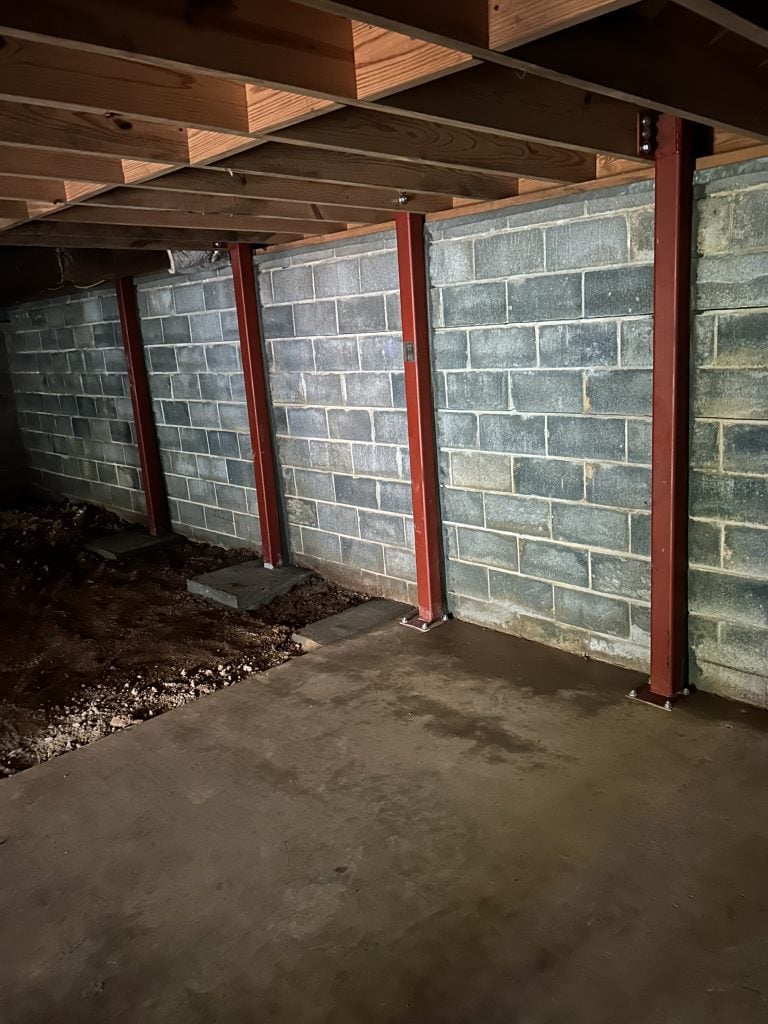
Types of Concrete Floor Cracks
Here’s a guide to some common concrete cracks to help with identification
Hairline Cracks
These thin cracks are usually harmless and caused by shrinkage as the concrete cures. Hairline cracks may allow some moisture to seep through; however, they typically won’t affect the structural integrity of the concrete.
Plastic Shrinkage Cracks
Plastic shrinkage cracks appear early in the curing process, usually 24–48 hours after the concrete is poured. They’re caused by rapidly drying the concrete’s surface, often due to hot sun or windy conditions. Plastic shrinkage cracking may not pose a structural risk, but it can be unsightly and block moisture from penetrating the concrete.
Structural Cracks:
These are the most severe types of concrete cracks and can indicate a significant problem with the foundation. Structural cracks are typically wider and may run diagonally or along straight lines. They can be caused by overloading the concrete, foundation settlement, or soil movement. Structural cracks may go hand in hand with uneven floors, doors or windows that stick, and other signs of foundation movement.
Settlement Cracks
These cracks are caused by uneven support beneath the concrete slab. They can vary in width and may appear stair-stepped or diagonal. Settlement cracks can be caused by improper soil compaction, poor drainage, or changes in the soil’s moisture content. This type of concrete cracking can indicate a more serious underlying problem, especially if they’re large or growing in size.
Heaving Cracks
They’re caused by the upward movement of the ground beneath the concrete, often due to freezing and thawing cycles or the growth of tree roots.
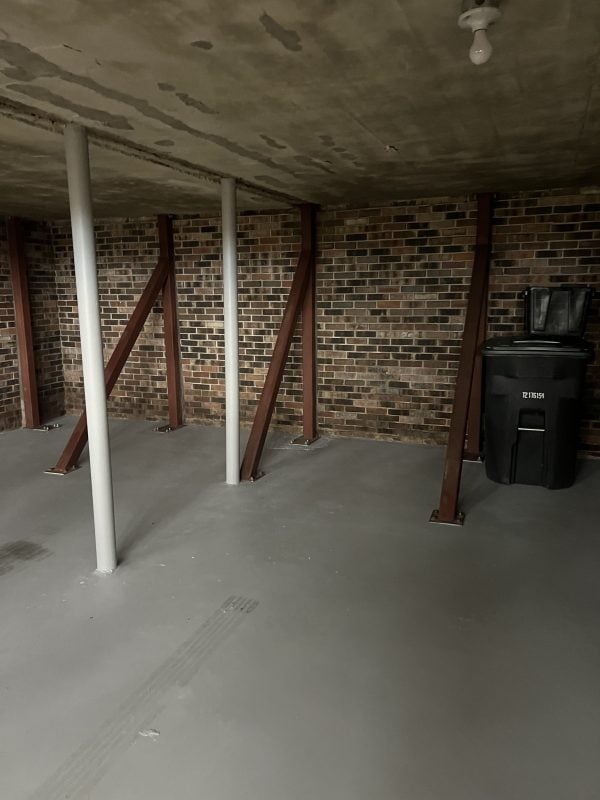
Evaluating the Severity of Floor Cracks
Here’s how to determine whether the different types of concrete cracks are a minor cosmetic issue or a sign of a serious foundation problem.
Not sure if you’re in our service area? Give us a call, and we’ll let you know.
- Width: Hairline cracks (less than 1/16 inch wide) are generally minor and don’t require immediate repair. On the other hand, cracks wider than 1/4 inch, especially if they continue to grow in size, are more concerning.
- Movement: The concrete slabs around the crack should not move. You can place a piece of tape across the crack and monitor it for a few weeks. If the tape breaks or separates, it indicates movement and a potentially severe issue.
- Location: Cracks that appear on the surface away from walls or corners are less concerning than those that originate around structural elements or crawl space entry points.
- Pattern of the Crack: The pattern of the crack can provide clues about its cause. For example, a straight, vertical crack may be caused by settling, while a jagged, diagonal crack could indicate structural movement.
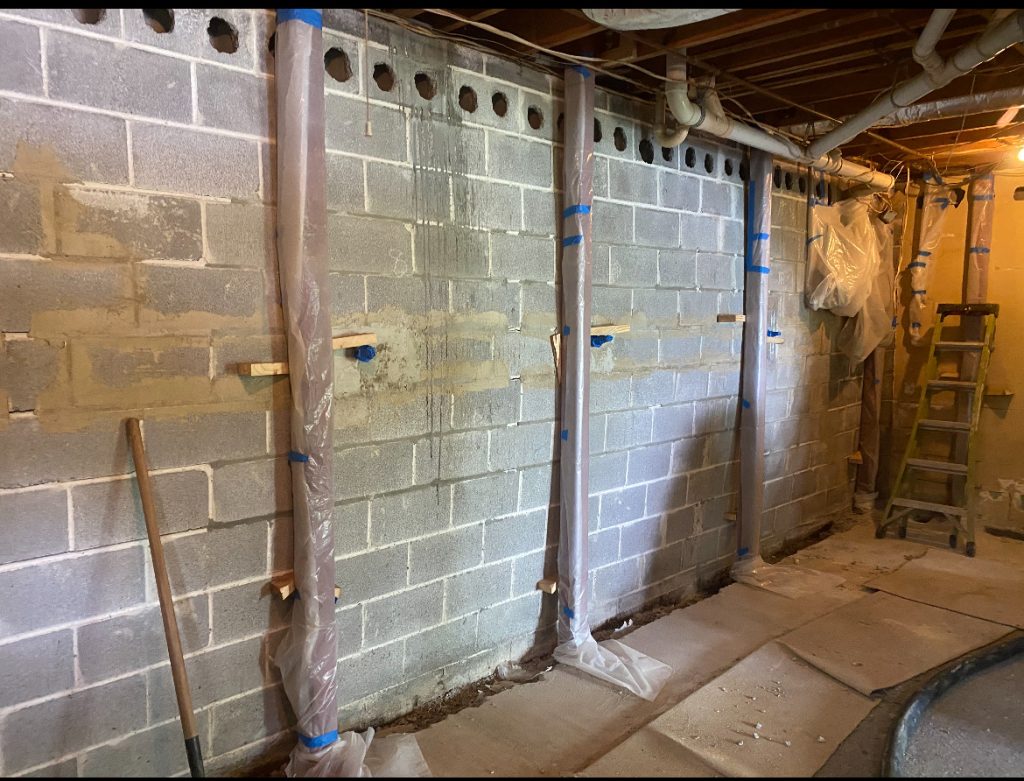
Risks of Neglecting Concrete Floor Cracks
While ignoring cracks might seem convenient in the short term, the potential consequences are serious and can’t be overlooked. Here’s what you risk by failing to repair cracks:
Increased Structural Damage
Tiny cracks might seem insignificant, but they can get bigger over time, compromising the structural integrity of your floor and leading to uneven surfaces and foundation issues.
Reduced Property Value
Visible cracks in the floor are a red flag for potential buyers. They raise concerns about the structural health of the building and the potential need for expensive repairs.
Safety Hazards
Cracked concrete floors can become uneven and pose a tripping hazard. This is especially risky for children, older individuals, or anyone with mobility issues.
Water Damage and Mold Growth
Cracks act as entry points for water, especially during heavy rain or snowmelt. This trapped moisture creates the perfect environment for mold growth, which can lead to respiratory problems and property damage.
Increased Repair Costs
Failure to fix cracks can cause them to worsen, making them costlier and more time-consuming to deal with in the future.
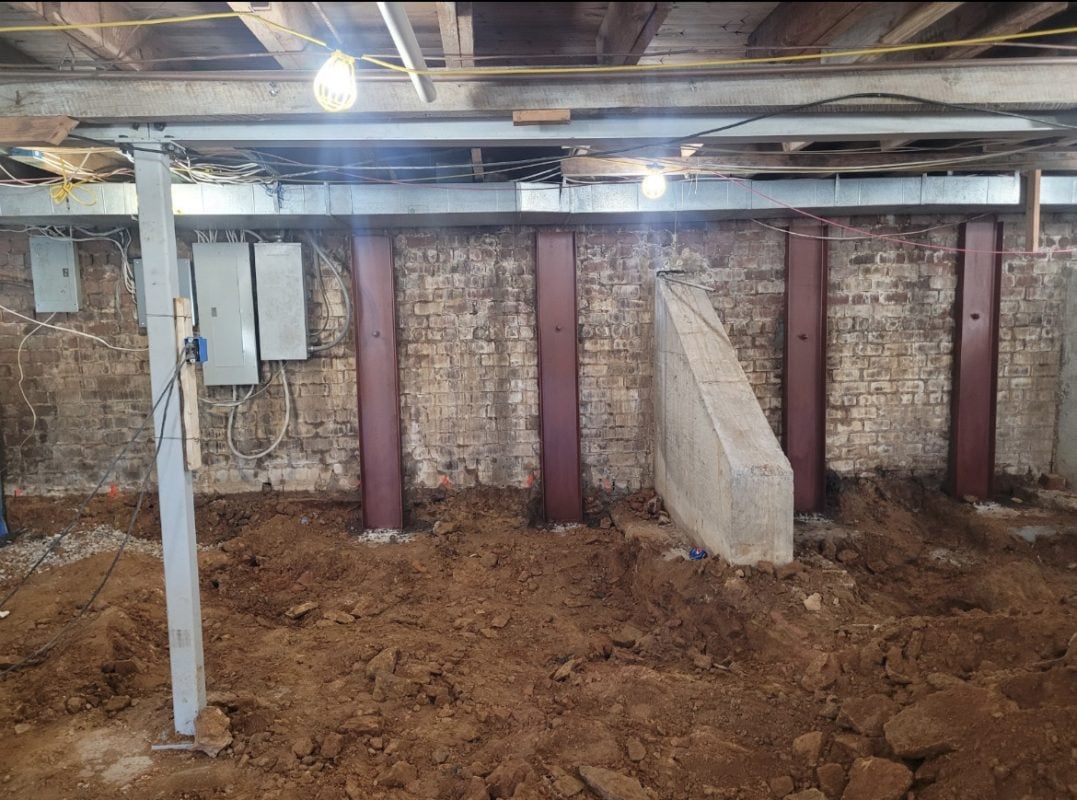
DIY Solutions vs. Professional Assessment
DIY fillers might be sufficient for hairline cracks or those with minimal movement. However, when it comes to larger cracks, a professional assessment is necessary to:
Not sure if you’re in our service area? Give us a call, and we’ll let you know.
- Identify the Cause: Experts can identify the root cause of the cracked slab, whether it’s foundation settlement, soil movement, or construction flaws.
- Assess Severity: A professional will determine the extent of the cracks and potential risks to the structure.
- Recommend the Right Repair: Experts advise on the most appropriate foundation crack repair method based on the damage’s cause and severity.
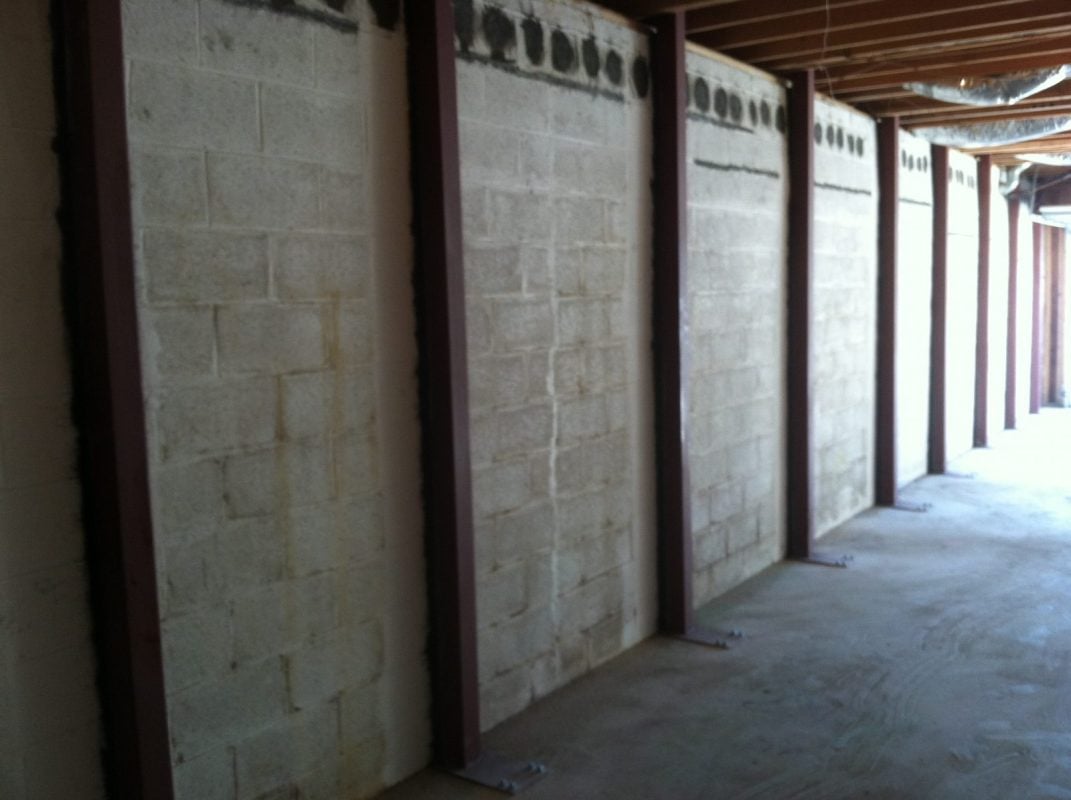
How Southern Home Structural Specialists Can Help With Floor Cracks
Our comprehensive approach combines cutting-edge technology with proven repair methods to ensure lasting solutions. Here’s what sets Southern Structural Repair apart:
- Expert Diagnosis: SHSS uses advanced tools and techniques to pinpoint the exact cause of the cracks. This might include core samples, moisture testing, or specialized imaging to assess the foundation and identify underlying issues.
- Emphasis on Durability: SHSS prioritizes long-lasting repairs using top-quality materials and proven techniques. This ensures the cracks are not just filled but structurally stabilized, preventing future problems.
- Preventative Measures: In addition to repairs, SHSS can recommend measures to address ongoing issues and prevent future cracks. These could involve waterproofing solutions, drainage improvements, or soil stabilization techniques.
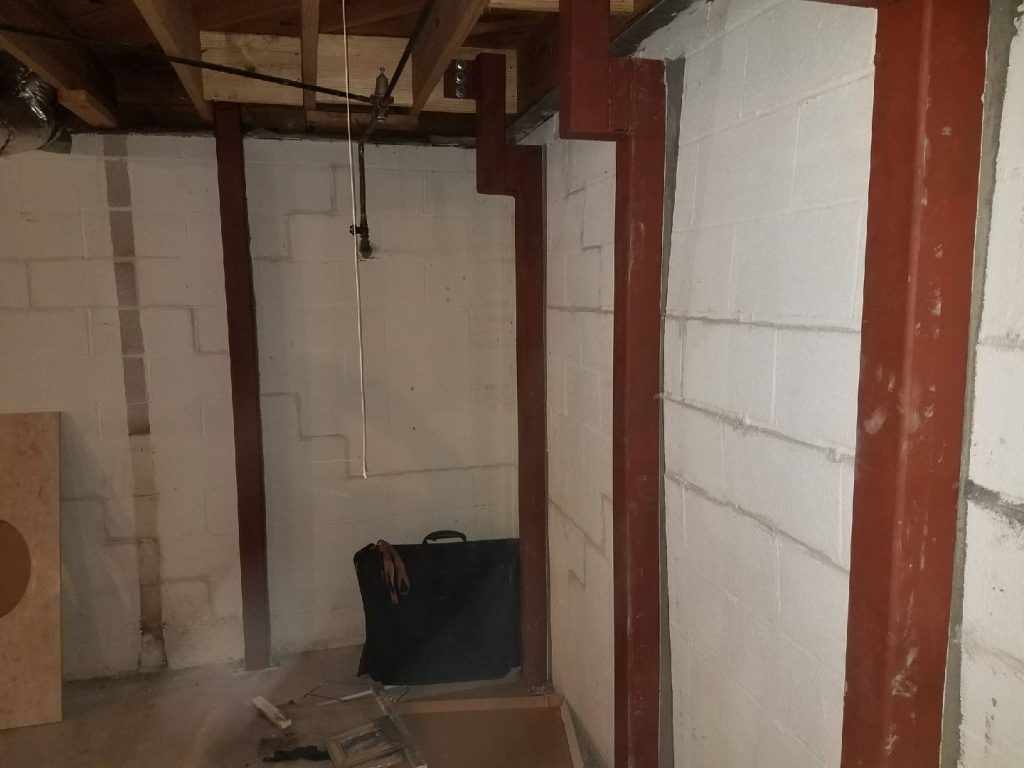
Our Approach to Repairing Serious Concrete Floor Cracks
Here’s our process for dealing with cracks in a home’s concrete floor:
Assessment
We begin by thoroughly assessing the crack to determine the underlying cause and extent of the damage.
Preparation
Before repair work begins, we prepare the area by cleaning the crack and removing any debris or loose concrete. This ensures proper adhesion of the repair materials.
Repair Material Selection
Based on the nature of the crack and the specific repair requirements, we can select high-quality, durable materials such as epoxy or polyurethane injection resins.
Injection
For cracks that require structural reinforcement, we use injection techniques to fill the crack with the selected repair material. This helps restore the structural integrity of the concrete.
Sealing and Finishing
Once the crack has been filled and the repair material has cured, we seal the surface to prevent moisture intrusion and further damage. We also ensure the repaired area blends seamlessly with the surrounding concrete for a polished finish.
Quality Assurance
Our repairs follow the highest quality standards to ensure your concrete floor is structurally sound and protected against future damage. Most importantly, we work closely with homeowners to meet their individual needs and complete repairs efficiently and effectively.
FAQs About Concrete Floor Cracks
What causes concrete floor cracks?
Concrete floor cracks can be caused by various factors, including shrinkage during the curing process, settling of the ground beneath the concrete, a high water-to-cement ratio, and too much weight on the surface.
Are concrete floor cracks a sign of a serious problem?
Not necessarily. Some small cracks are normal and can be caused by minor shifting or settling. However, larger or recurring cracks can indicate a more severe issue with the foundation or subgrade.
Can I repair concrete floor cracks myself?
For small cracks, DIY repair kits are available at many home improvement stores. However, larger cracks should be professionally evaluated to determine the underlying cause and the best repair method.
How long does it take to repair concrete floor cracking?
The time required to repair concrete floor cracks depends on the size and complexity of the repair. Simple repairs can be completed in a day, while larger repairs take several days to allow for curing and finishing.
How can I prevent future concrete floor cracks?
Ensure the concrete is poured correctly and has adequate reinforcement and thickness. This is in addition to draining water away from the foundation to prevent soil erosion and regularly inspecting the floor for any signs of damage.
How do I know if a concrete floor crack needs professional repair?
If a crack is wider than about a quarter-inch, grows larger over time, or is accompanied by other signs of foundation problems (such as uneven floors or doors that won’t close properly), it’s best to have a professional concrete crack assessment.
What are the repair options for concrete floor cracks?
Repair options vary depending on the size and severity of the crack. Small cracks can often be repaired with epoxy or polyurethane injection, while larger cracks may require more extensive repairs, such as slab jacking or concrete slab replacement.
Schedule Your Free Inspection Today
If something feels off in your home, we’re here to help you figure out why with an inspection and free estimate. No pressure or scare tactics—just honest answers and customized solutions from a Birmingham team you can trust.