Foundation Repair
Retaining Wall Repair Birmingham, AL
Retaining walls effectively manage elevation changes on your property, from preventing soil erosion to creating usable space in a previously unusable area. However, these structures are more than just landscaping features—they also play an important role in property management, safeguarding your yard, preventing foundation problems, and ensuring the safety of surrounding structures. However, time and the elements can damage retaining walls, causing cracks, leaning, and bulging. Timely repairs are critical to maintaining the structural integrity of your property.
Understanding Retaining Walls & Their Importance
Retaining walls act as a barrier against rainwater runoff, preventing erosion and holding soil in place. This helps prevent landslides and ensures the stability of your property.
There are several types of retaining walls, each suited to specific needs and soil conditions:
-
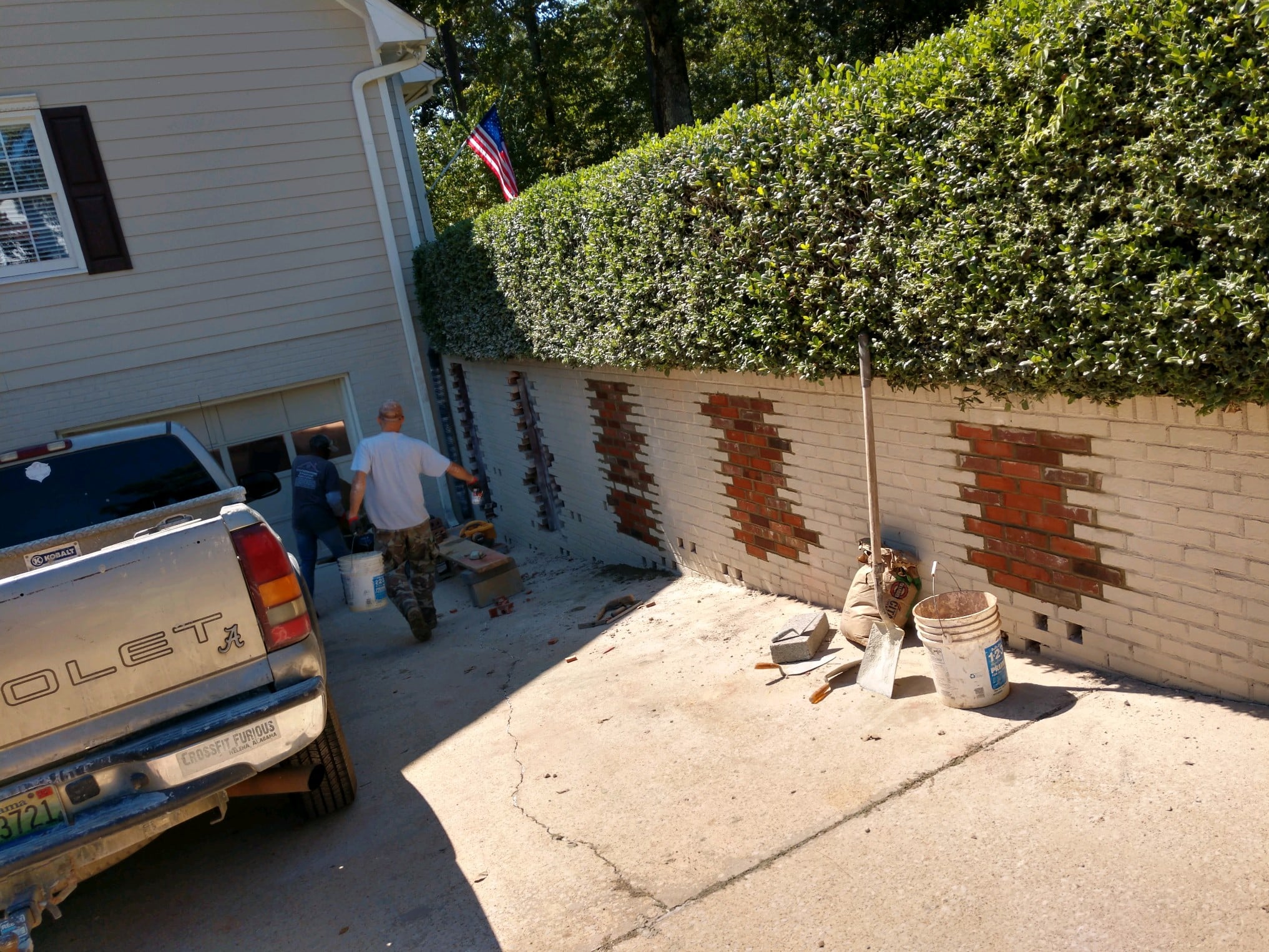
Gravity Walls
Gravity walls rely on their weight to resist soil pressure. This wall construction includes dense materials like concrete blocks, stone, or brick for extra support. Gravity walls also have a broad base for effective weight distribution.
-
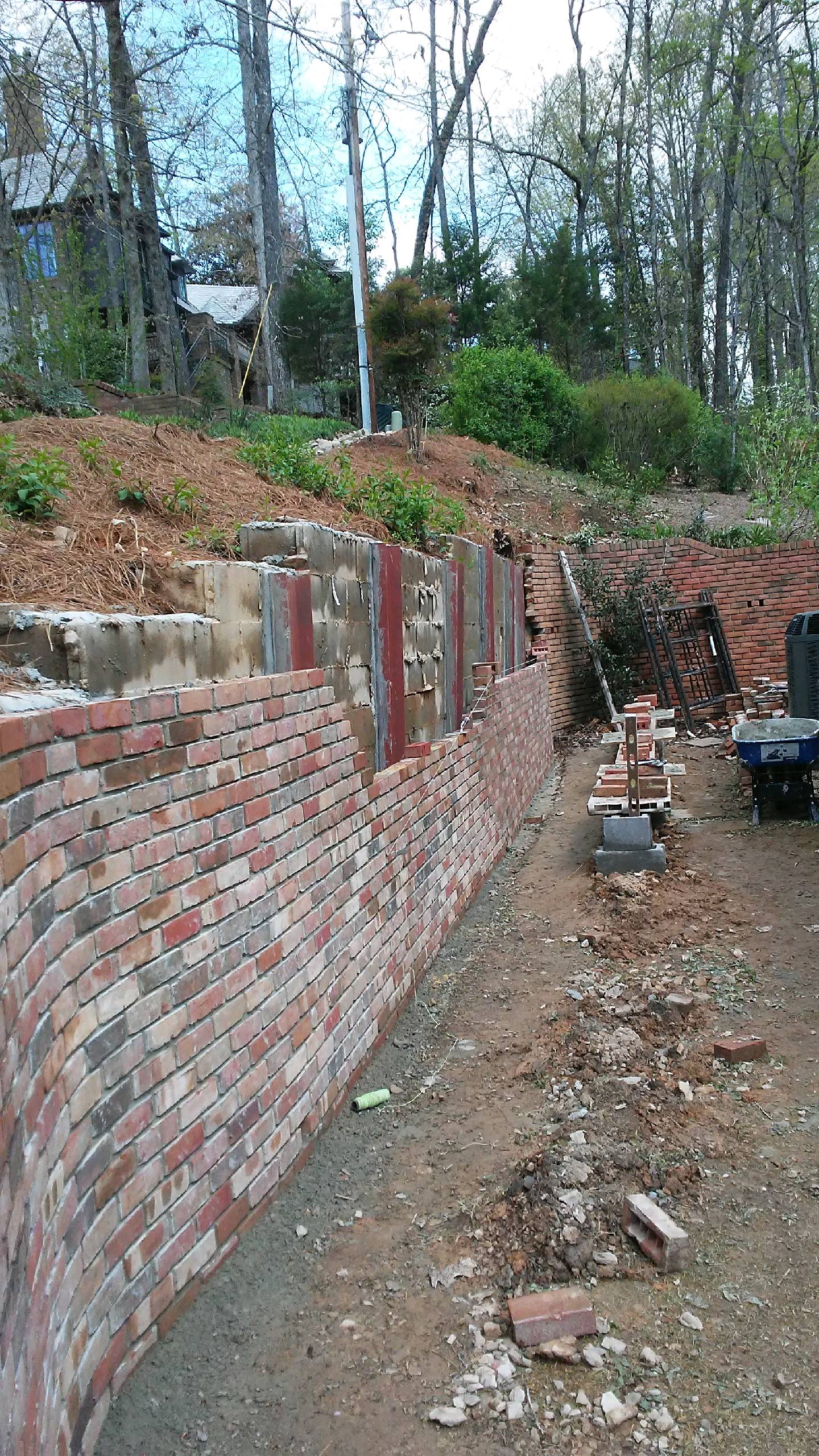
Cantilevered Walls
Cantilevered walls are typically made of reinforced concrete and consist of a thin upright section (stem) and a base slab shaped like an L (footing). The base is divided into two parts: the heel, under the backfill, and the toe, which projects out in front of the wall. Unlike gravity walls, which rely on their own weight to resist soil pressure, this retainer wall uses less material, offering a thinner profile.
-
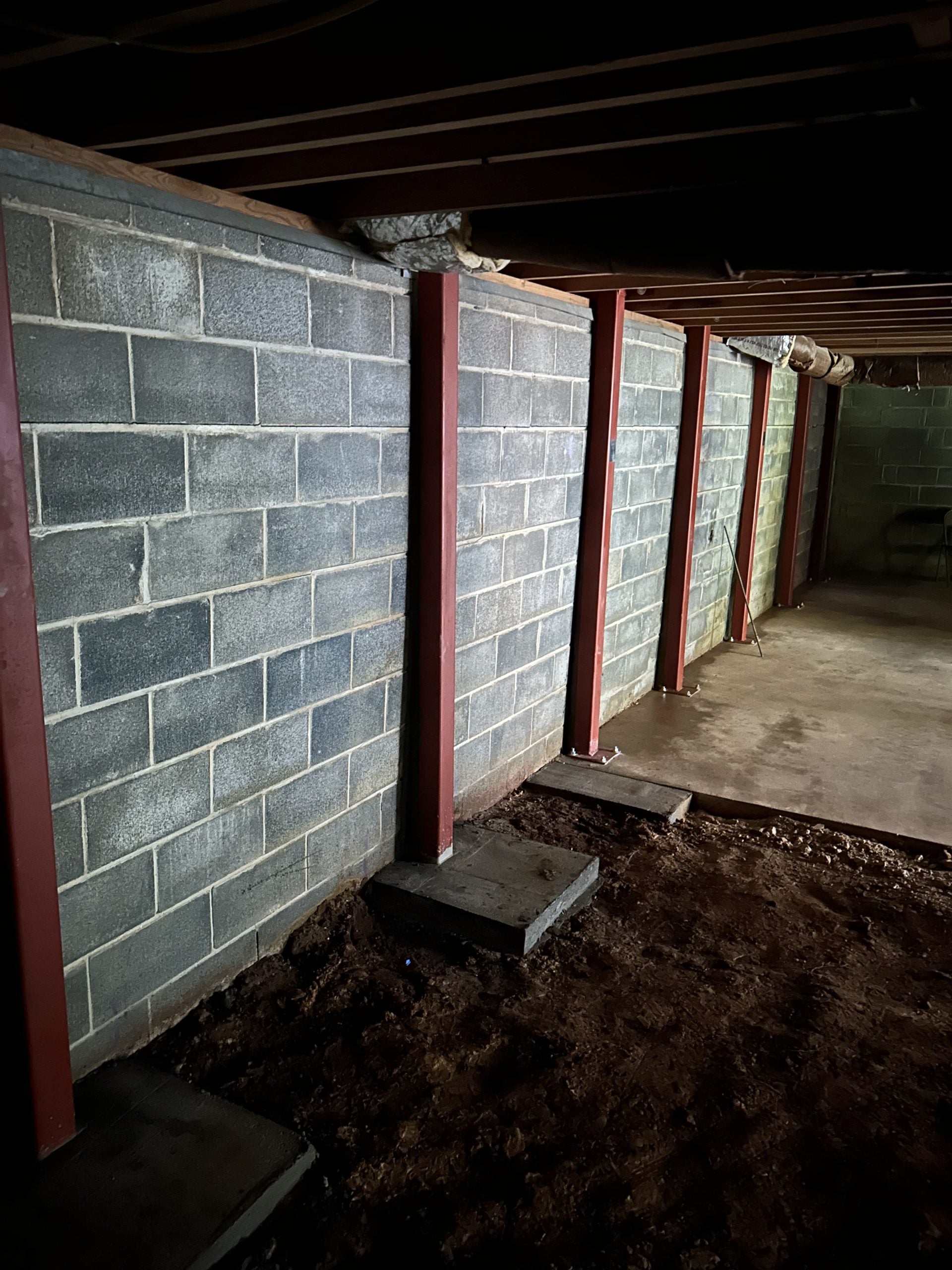
Sheet Pile Walls
These walls are made of interlocking panels driven into the ground to create a continuous barrier. This retaining wall design creates a strong and watertight barrier to withstand soil and water pressure.
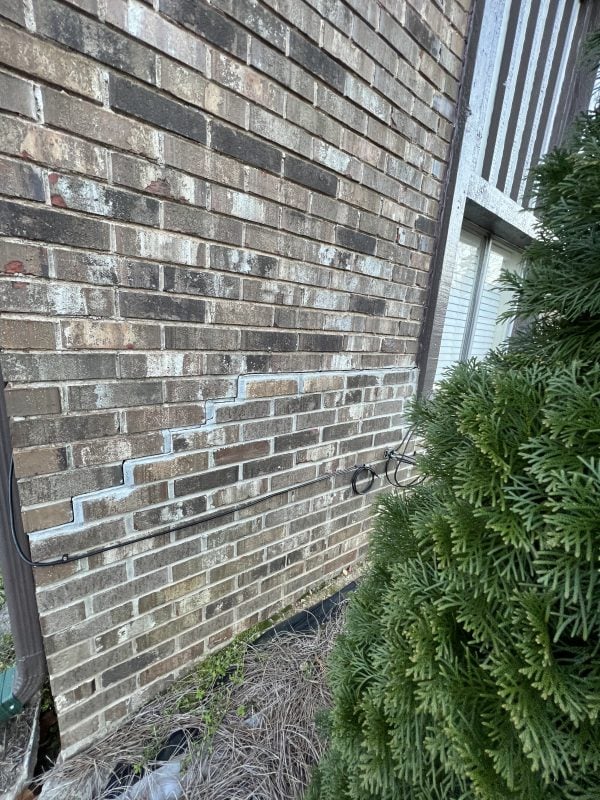
Common Signs of Wall Failure
Here are some signs that a retaining wall might need professional inspection or repair:
- Cracks: Look for horizontal cracks running along the length of the wall, large diagonal cracks, or stair-step cracks.
- Bulging or Bowing: This indicates that pressure on the wall is greater than it can withstand.
- Leaning: If the wall is tilting outward, away from the soil, it could be due to a weak foundation, improper drainage, or pressure from behind the wall.
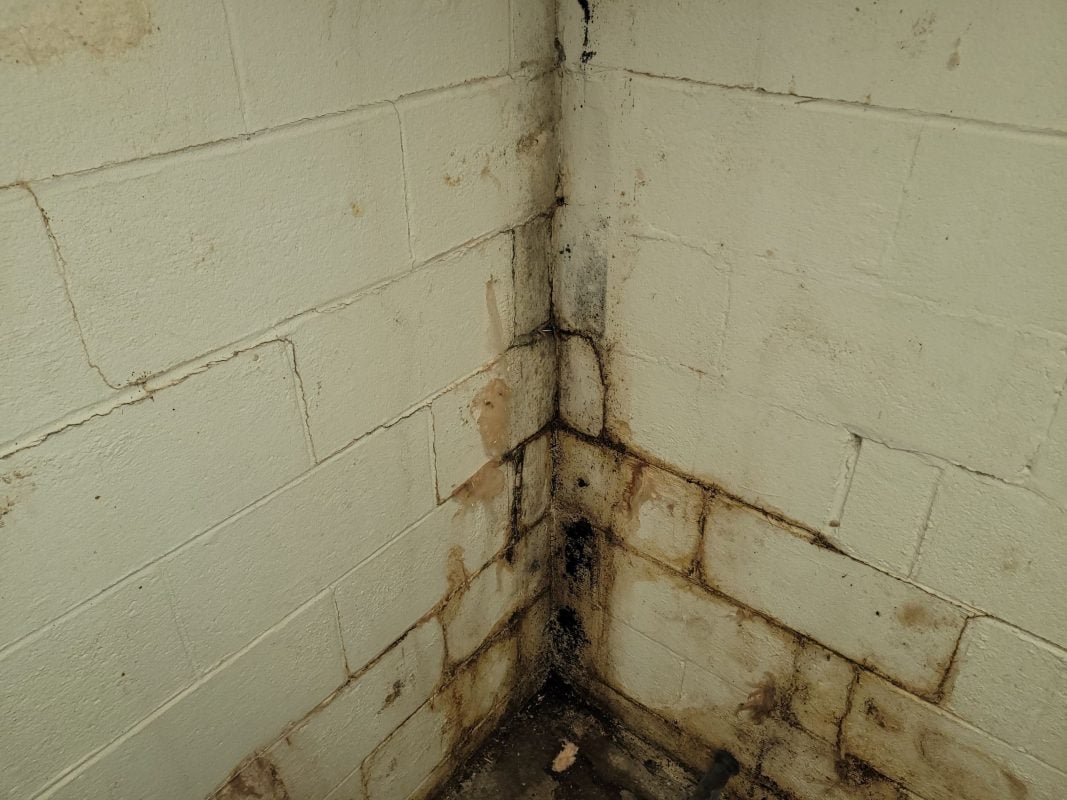
- Water Leakage: Retaining walls often possess weep holes to drain water. Excessive leakage indicates failing waterproofing or clogged weep holes, while no drainage suggests potential water buildup behind the wall.
- Soil Erosion or Movement: Settling or erosion of the soil around the base of the wall can expose the wall’s foundation and compromise its stability. Look for signs of sinking soil or cracks in the surrounding pavement.
Causes of Wall Problems
Understanding the cause of your retaining wall issue is necessary for proper repairs and preventing future failures. The problems may come about due to:
- Poor Construction: This can result from engaging inexperienced wall contractors. It may also be a consequence of using the wrong materials for the foundation and drainage system, depth and weight miscalculations, or failing to properly compact the backfill soil.
- Inadequate Drainage: Clogged weep holes or a lack of proper grading can cause water buildup behind the wall, creating hydrostatic pressure. As a result, the wall can bow outwards, crack, or even collapse.
- High Soil Pressure: Loose or poorly compacted backfill soil and changes in the soil composition can create pressure imbalances and cause structural problems.
- Environmental Impacts: Freeze-thaw cycles, expansive clay soils, or even root growth from nearby trees can put stress on the wall and cause cracks or leaning.
Our Retaining Wall Repair Solutions
Our qualified wall contractors will assess the nature and severity of the damage, the type of wall material, and the surrounding soil conditions and recommend the most appropriate and cost-effective solution for your retaining wall issues. Here are some repair solutions we offer at Southern Structural Repair.
Soil Nailing
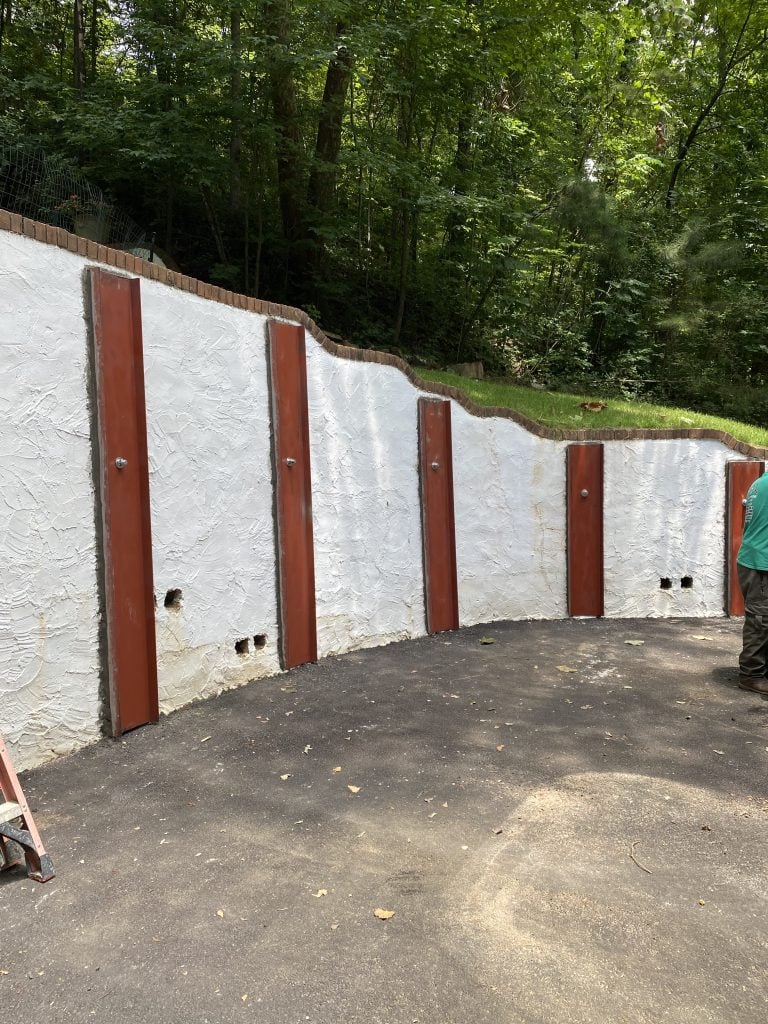
Soil nailing involves drilling long nails or rods into the soil behind the retaining wall at an angle. These nails are then grouted or filled with a cementitious material to stabilize the soil and prevent further wall movement.
Anchoring
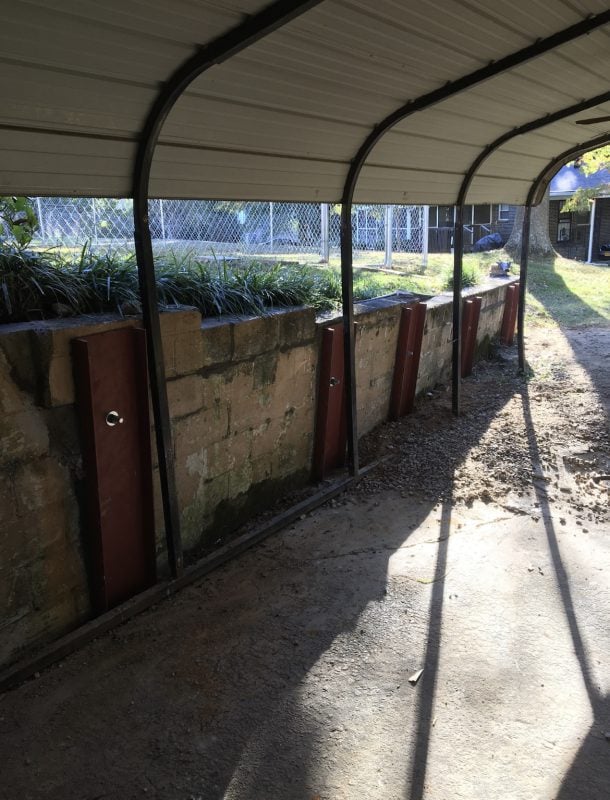
This technique involves installing anchors or tiebacks into the soil or rock behind the wall and connecting them to the wall with a plate or rod. This helps counteract the pressure the soil exerts, preventing the wall from leaning or collapsing.
Underpinning
There are different underpinning methods. However, a common approach involves excavating a section of soil beneath the wall and replacing it with a stronger material, like concrete or compacted stone. This creates a solid base for the wall and helps distribute the weight of the soil more evenly. Underpinning is ideal for situations where the wall failure is due to a weak foundation.
Wall Reconstruction
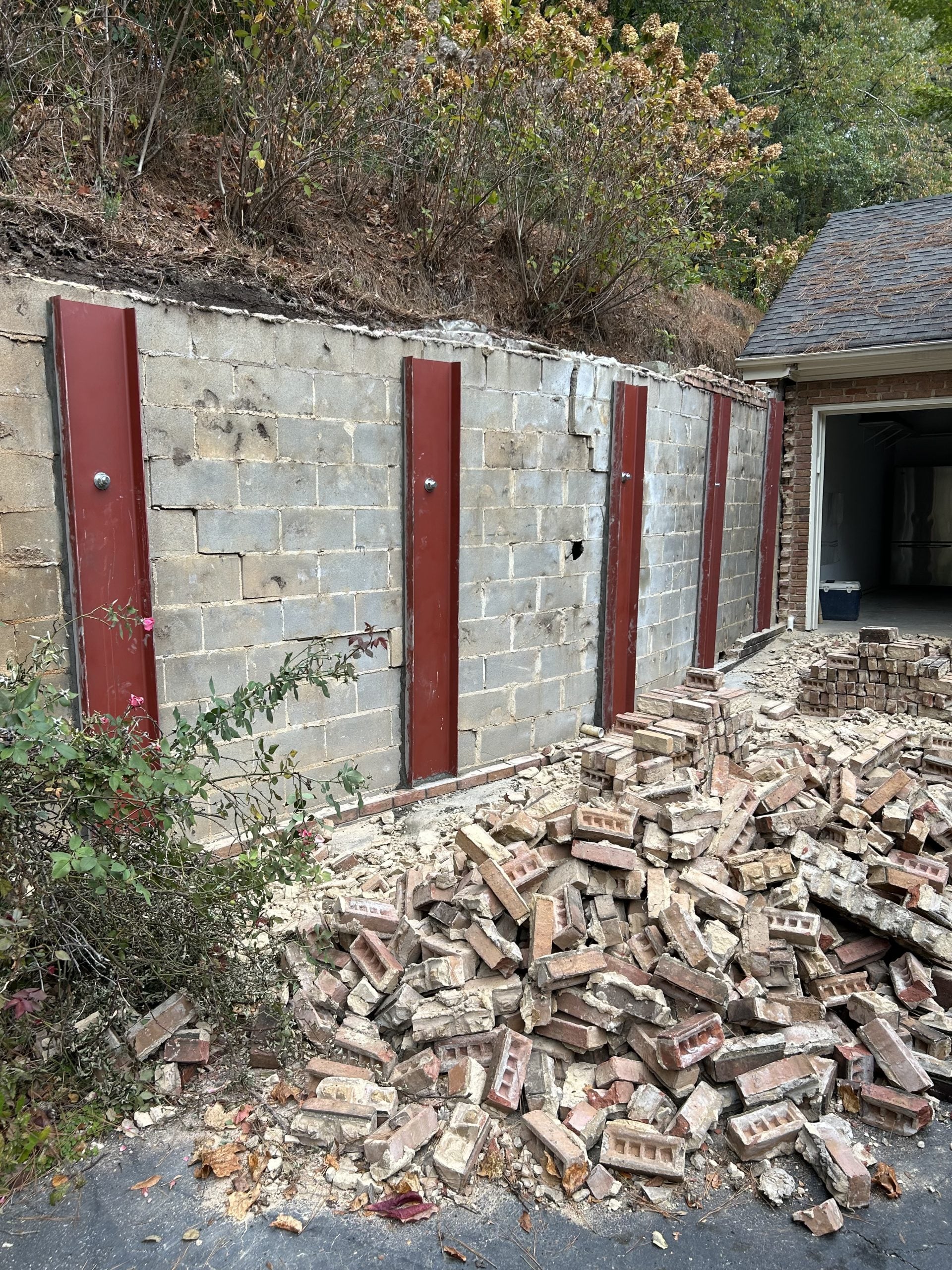
In some cases, the damage to the retaining wall might be so extensive that repairs are not feasible. In such scenarios, Southern Home Structural Specialists may recommend complete or partial reconstruction of the wall. This would involve dismantling the existing wall (or the damaged section), rebuilding it with proper engineering and materials, and potentially incorporating additional reinforcement techniques like drainage improvements.
Drainage Improvement
SHSS can assess your existing drainage system and implement improvements like installing new weep holes, drainage pipes, or a French drain system behind the wall. This helps redirect water away from the wall and reduce pressure on the structure.
Benefits of Professional Retaining Wall Repair
There are several advantages to choosing professional repair services over a DIY fix. These include:
Increased Safety
Professional contractors have the expertise to identify potential problems and implement repairs that ensure the structural integrity of the wall. This minimizes the risk of collapse or other failures that could cause injury or property damage.
Enhanced Property Value
A well-maintained retaining wall adds aesthetic and functional value to your property. Conversely, a failing wall can be an eyesore and a major turn-off for potential buyers. Professional repairs not only address the immediate problem but also ensure the long-term stability of the wall, potentially increasing your property value.
Prevention of Further Damage
Professional repair addresses the underlying cause of the issue, preventing further damage to the wall itself and protecting other structures and landscaping elements on your property.
Proper Use of Materials and Techniques
Professionals have the knowledge and experience to select the most appropriate repair methods and materials based on the type of wall, the extent of damage, and the soil conditions. This ensures a long-lasting and effective repair.
Our Process at Southern Home Structural Specialists
Here's our process for fixing a retaining wall.
-
Initial Assessment
Our team will thoroughly inspect the retaining wall to assess the extent of the damage and identify the underlying causes.
-
Customized Repair Plan
Based on the assessment, we'll create a customized repair plan tailored to your needs and budget. Our technicians will explain the proposed plan in detail, including the repair methods, materials to be used, and an estimated timeline for completion.
-
Permitting and Approvals
If required, we'll help you obtain the necessary permits and approvals for the repair work and ensure all work follows local building codes and regulations.
-
Preparation
Before starting the repair, we'll prepare the site by clearing any debris or vegetation around the retaining wall. Our technicians will also take measures to protect nearby structures and landscaping from damage during the repair process.
-
Repair Work
Our team will begin the repair work according to the agreed-upon plan. This may include replacing damaged materials, reinforcing the wall, or installing drainage systems to prevent future issues. Additionally, we'll keep you informed of our progress throughout the repair process.
-
Quality Assurance
Once the repair work is completed, our team will conduct a thorough quality assurance check to ensure the retaining wall is structurally sound and meets our high-quality standards. We'll also invite you to inspect the work and address any concerns you might have.
-
Final Inspection and Approval
Before finalizing the repair project, we'll inspect the retaining wall to ensure all repair work has been completed to your satisfaction.
-
Follow-Up and Maintenance
After the repair work is completed, we'll advise you on proper maintenance to ensure the retaining wall's long-term stability and durability. We're also available to address any questions or concerns you might have in the future.
Choosing the Right Solution for Your Retaining Wall
. Here are some steps to follow before settling on a type of retaining wall.
- Assessment: Begin by having your retaining wall assessed by a professional, such as an SHSS expert. We can help identify the issues affecting your wall and recommend the most suitable approach to repair retaining walls.
- Consider the Cause: Understanding the underlying cause of the damage is critical. For example, if poor drainage is causing the issue, installing proper drainage systems may be necessary to prevent future problems.
- Evaluate Repair Options: Based on the assessment, our technicians may recommend repair options such as adding soil anchors, installing a new retaining wall, or repairing the existing wall. Consider the pros and cons of each option, including cost, durability, and impact on your property.
- Budget: Our experts can help you prioritize repairs based on your budget and recommend cost-effective solutions.
- Long-Term Maintenance: Consider the repair solution’s long-term maintenance requirements. Some retaining wall stabilization options require regular inspections and upkeep to ensure their effectiveness.
Consulting with an expert from Southern Structural Repair can help you make an informed decision. We can provide expert advice tailored to your situation and guide you through the repair process!
Why Trust SHSS with Your Retaining Wall Repair?
Southern Home Structural Specialists isn't just another contractor: We're a team of experts with a proven track record of handling even the most complex retaining wall repairs. Our decades of experience ensure we have the knowledge and skills to tackle any challenge. But expertise is just one piece of the puzzle. We're deeply committed to customer satisfaction, prioritizing clear communication and keeping you involved throughout the entire repair process. With SHSS, you can rest assured that your retaining wall is in the hands of a trusted partner who prioritizes quality and your peace of mind.
Schedule Your Free InspectionRequest a Free Foundation Assessment
If something doesn’t feel right in your home or on your property, don’t hesitate to call us. We would be happy to complete a free, no-obligation, transparent foundation assessment and give our honest feedback on what’s the next best step for your home.